
Flying-foxes are Starving.
Simple Actions Can Help Save Them
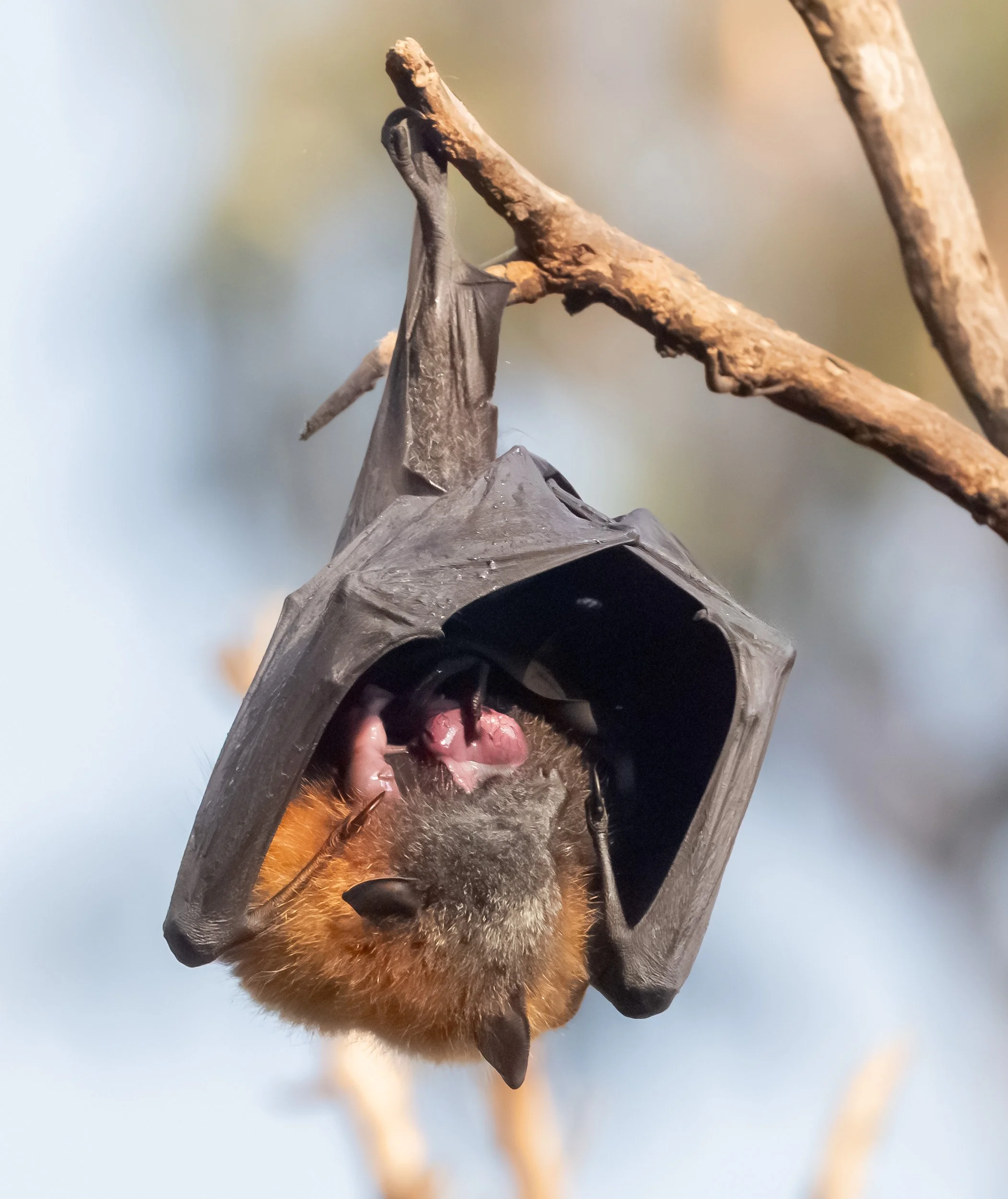
A mother flying-fox completes the birth of her premature pup. The placenta has just emerged, and she is biting it away. Photograph: Jenny Garlick.
The baby has been born. The placenta has just emerged, and the mother is biting it away. Her premature pup is dead. She is starving.
This photograph captures one mother’s loss amid a much wider crisis. This spring, wildlife carers across NSW have reported a surge in premature flying-fox births during a suspected mass starvation event. Experienced carers describe the rate as unprecedented. ABC News
Native food shortages are leaving mothers struggling when pregnancy, birth and milk production demand so much energy.
We can act now to help other mothers and babies survive.
What you can do today
Share some of your harvest. Leave some ripe fruit accessible on your trees. Fine mesh bags can protect individual bunches while allowing wildlife to reach the rest.
Make your netting safe. Use mesh with openings no larger than 5 × 5 mm, secured taut. Loose, large-mesh netting can entangle flying-foxes and cause fatal injuries. NSW netting guidance
Ask before offering extra fruit. Contact a licensed wildlife rescue group to check whether emergency feeding is appropriate locally. If recommended, offer small quantities of fresh, ripe, cored apple, pear or deseeded melon. Follow carers’ instructions for safe placement above ground, away from pets and hazards. Remove spoiled leftovers. Never hand-feed bats or offer bread, meat, citrus, sugary foods or rotten fruit. NSW feeding guidance
Give them peace and support their rescuers. Keep pets away from visiting bats. Donate money or requested supplies, or help with food preparation and other support work. Hunter Wildlife Rescue reports hungry bats remaining beside backyard food sources during daylight to conserve energy. Leave them undisturbed and seek advice if concerned. Hunter Wildlife Rescue
Call for help; never handle a bat. Report grounded, injured or entangled bats and babies alone. Keep children and pets away. In NSW, call WIRES on 1300 094 737. After any bite or scratch, wash immediately with soap and water for 15 minutes and seek urgent medical attention. NSW Health
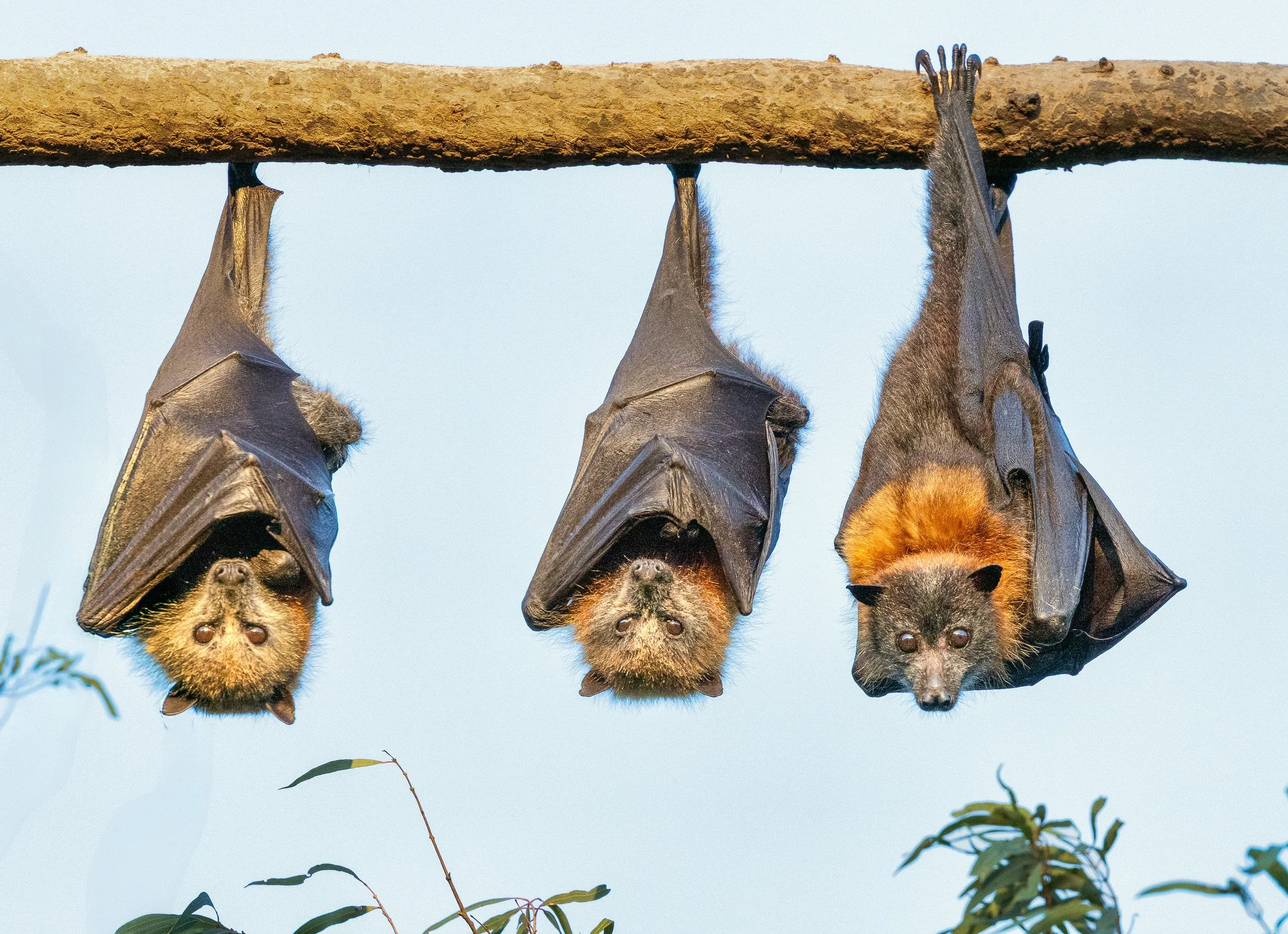
Caption: Three grey-headed flying-foxes share a branch. Each depends on food and shelter that our communities can help protect. Photograph: Jenny Garlick.
Every colony matters
Flying-foxes move between camps as food availability changes. Important camps include Parramatta Park and Cabramatta Creek in Sydney, Yarra Bend Park in Melbourne, and Botanic Park/Tainmuntilla in Adelaide. These are examples within a much wider network, rather than a list of colonies confirmed affected by this emergency. Smaller and seasonal camps also need protection. The Australian Flying-fox Monitor tracks their changing populations. Camp information: Parramatta, Cabramatta Creek, Yarra Bend, Botanic Park
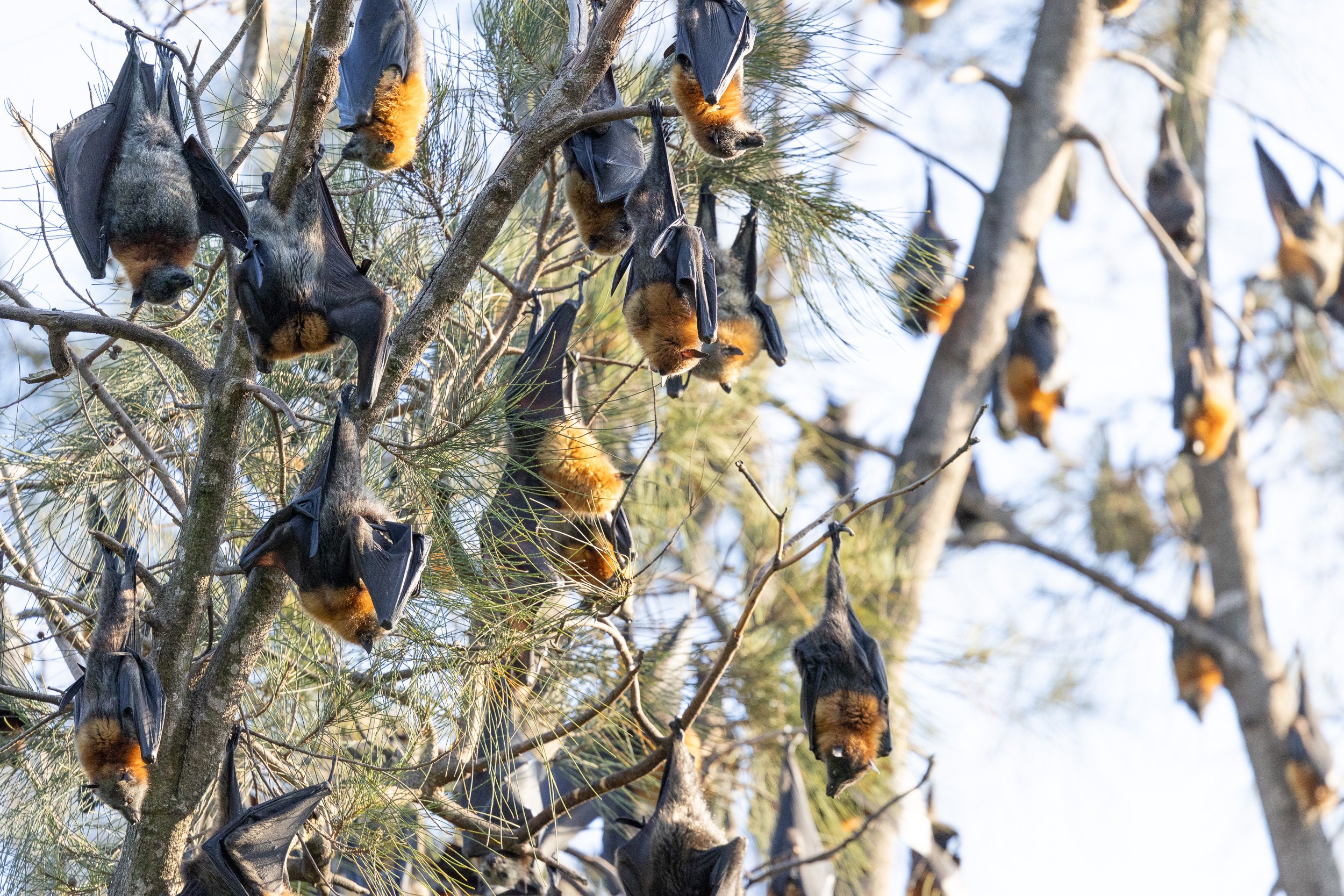
A camp provides a place to rest, but survival also depends on finding food across the surrounding landscape. Photograph: Jenny Garlick.
As flying-foxes feed, they carry pollen between trees and disperse native seeds. These journeys help forests regenerate and sustain habitat for other wildlife. Further declines would weaken those connections. The grey-headed flying-fox is already listed as vulnerable. Parks Victoria
Why our gardens matter
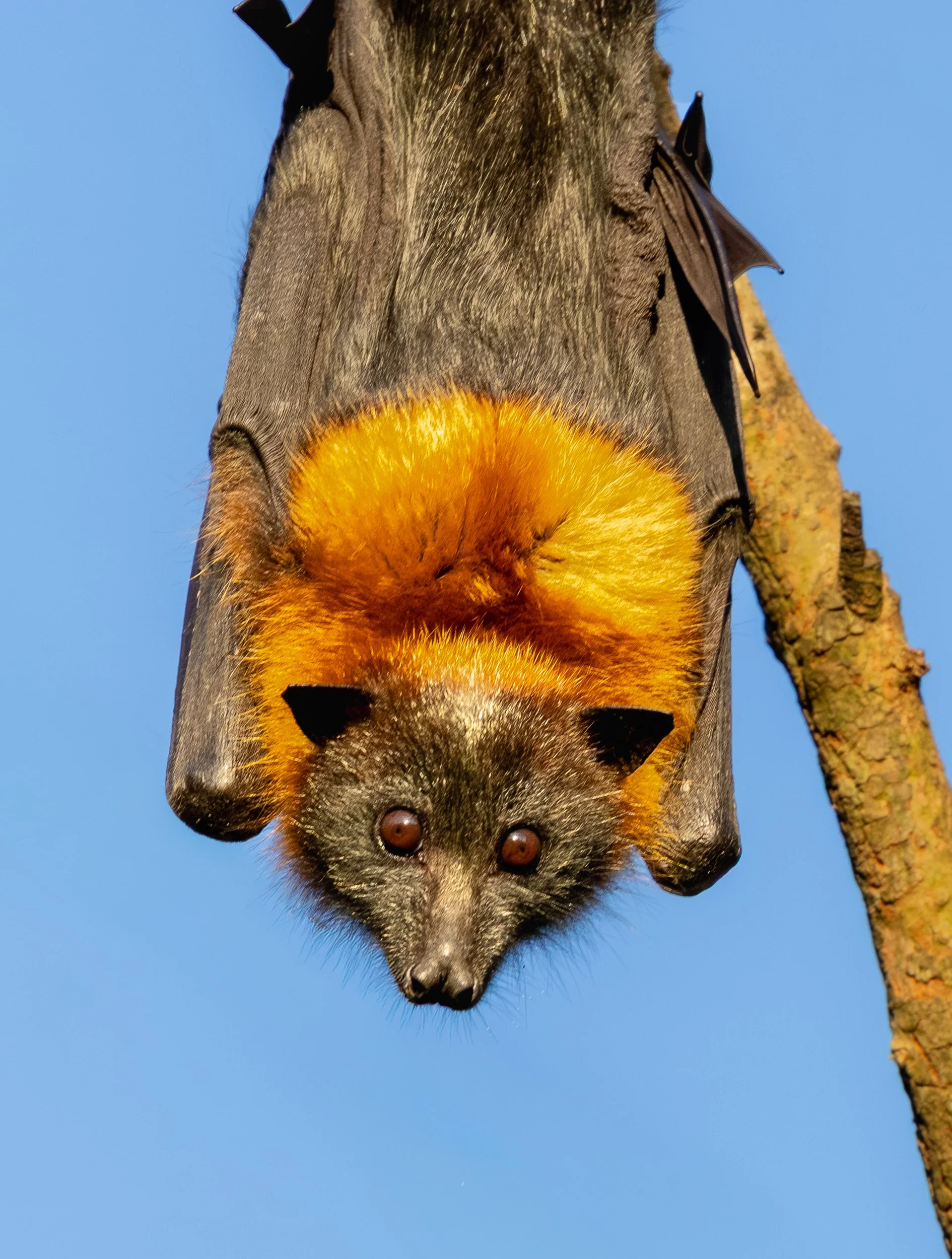
A familiar face with an essential role in the future of our forests. Photograph: Jenny Garlick.
A garden cannot replace a forest, but it can contribute food. Across a neighbourhood, those contributions add up.
Retain mature food trees wherever possible. Ask your council or native nursery about suitable local eucalypts, paperbarks, banksias and lilly pillies, particularly plants that provide food during seasonal shortages. Choose species suited to your available space. NSW habitat guidance
Beyond the fence, join bushcare, support habitat restoration and ask councils to protect mature canopy, roosts and feeding habitat. Planting replacements matters; keeping established trees matters now.
Healthy habitat also supports disease prevention. Long-term research links habitat loss and food shortages with increased Hendra virus spillover into horses, while abundant winter flowering in native forests can interrupt that pattern. Gardens can supplement food supplies; restoring dependable native food across whole landscapes offers the stronger protection. A planted garden alone cannot guarantee that disease transmission stops. Research in Nature
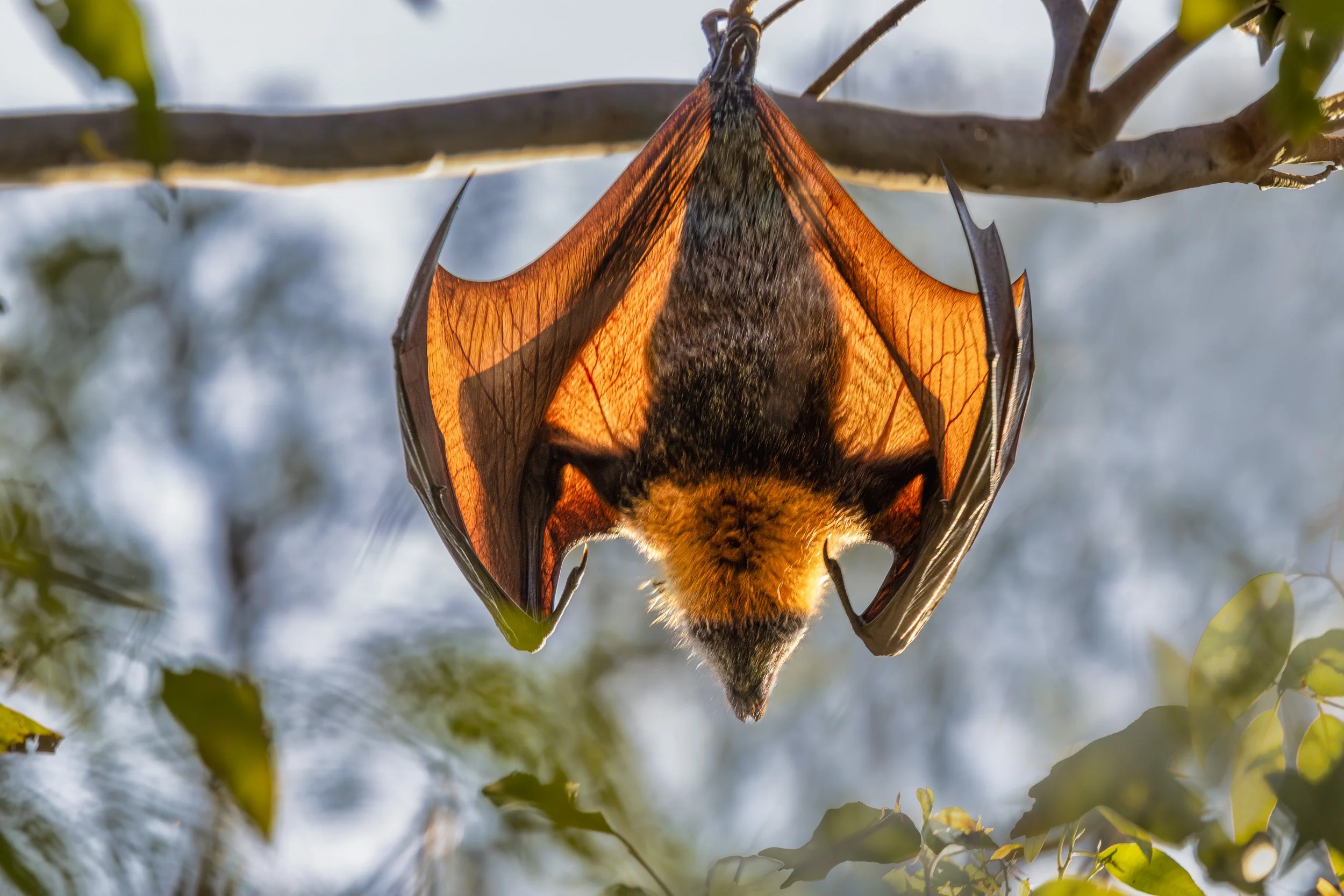
Afternoon light reveals the delicate membranes of a flying-fox’s wings. Protecting these animals also protects the work they do for our forests. Photograph: Jenny Garlick.
Choose one thing you can do today.
The tiny pup in this photograph was already dead. We cannot undo that loss, but we can help other mothers and babies survive. Share some ripe fruit from your trees, support a wildlife rescuer or protect a mature food tree. Your actions can help the next pup have a chance.
