
Going Batty for Conservation
Grey-headed Flying-foxes, Parramatta Park and a Habitat Worth Protecting.
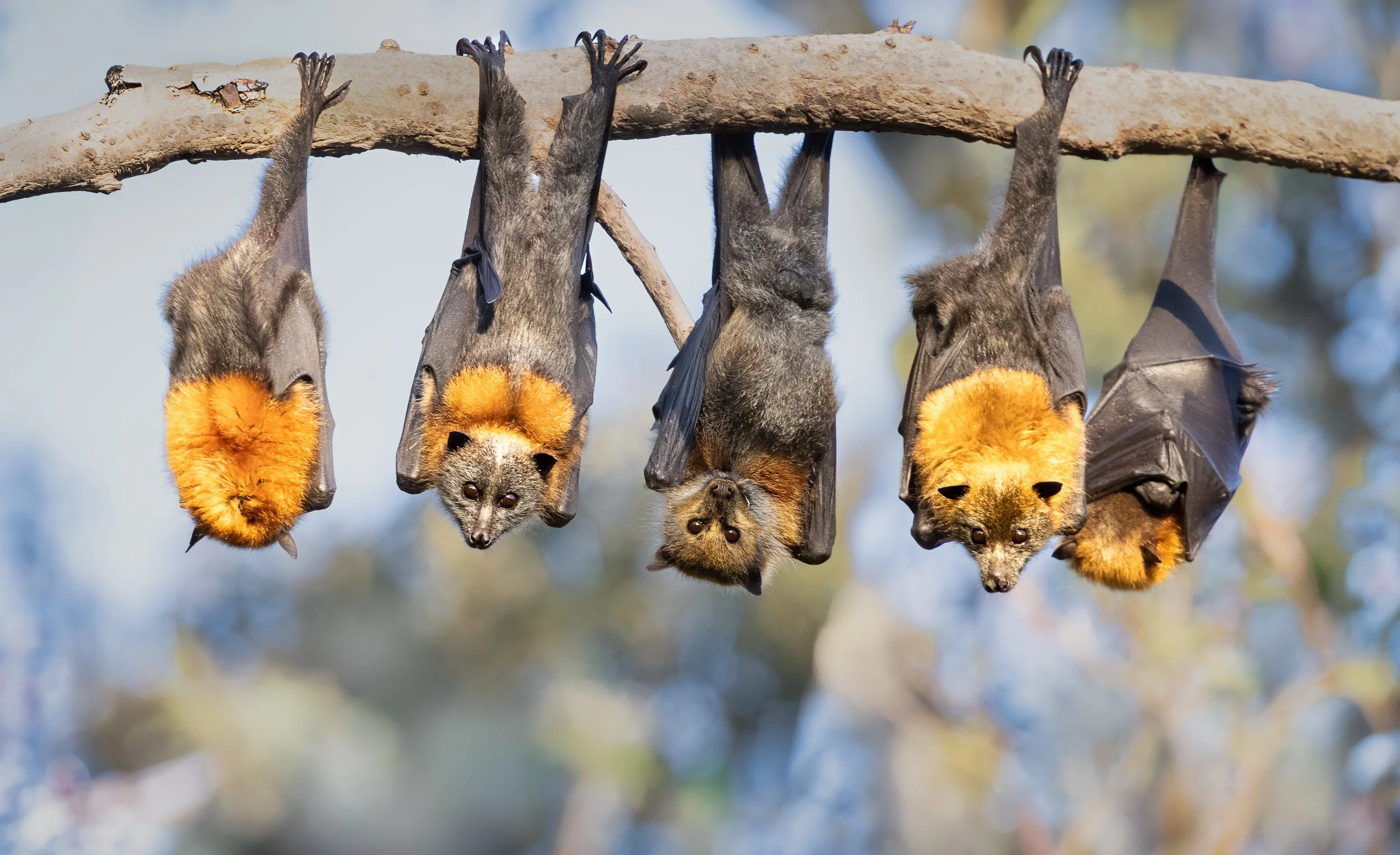
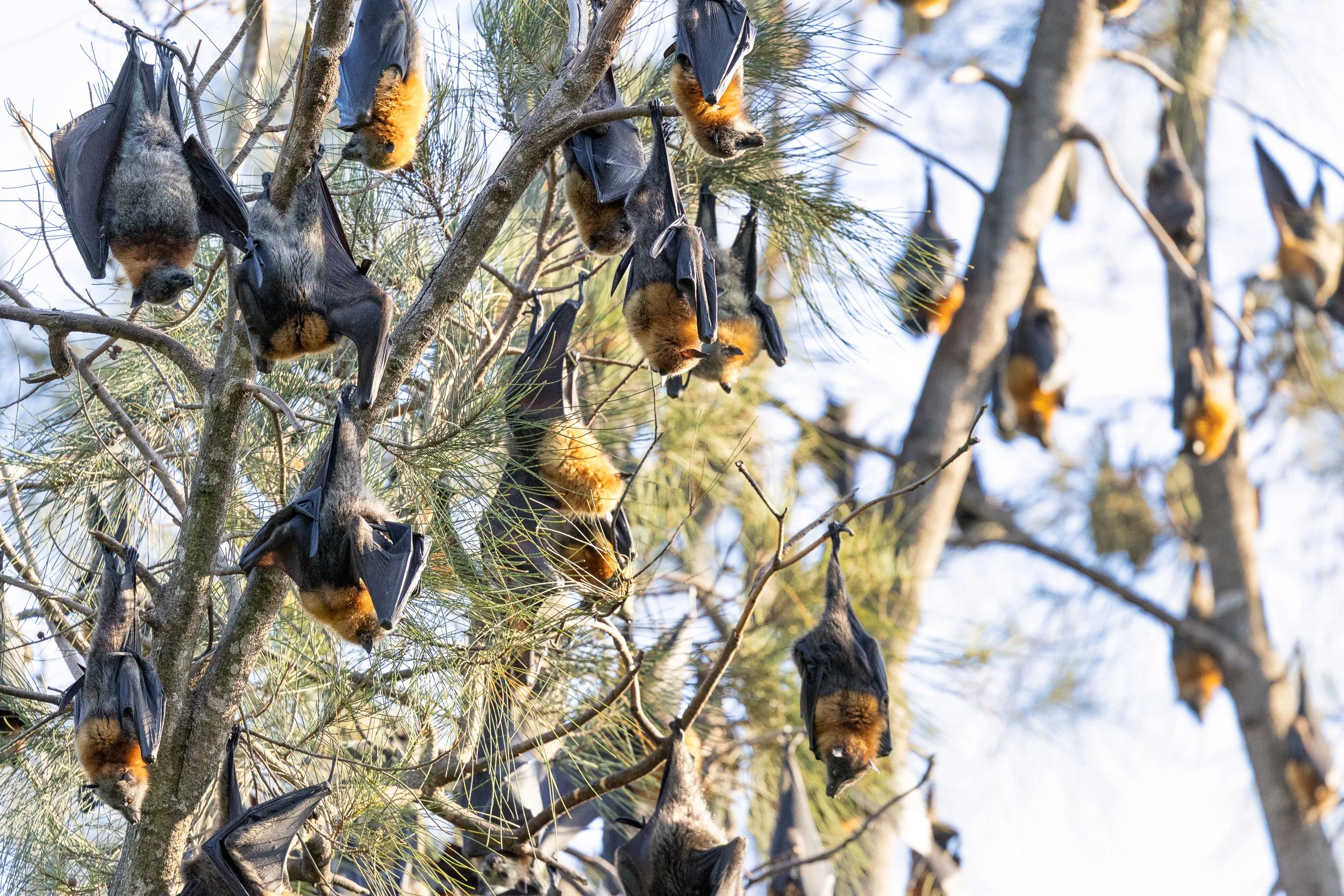
I visited the Grey-headed Flying-fox colony at Parramatta Park on a warm afternoon, as the sun began to sink towards the western sky. Thousands of these remarkable animals filled the trees—resting, squabbling, stretching and gradually becoming more active as evening approached.
What began as an afternoon spent photographing them soon became something more. Seeing so many Grey-headed Flying-foxes gathered within such a small pocket of habitat, in the heart of one of Sydney’s fastest-growing urban centres, made me think deeply about how precious these remaining places are, what we have already lost, and what we still stand to lose.
Through these photographs and observations, I hope to share not only the beauty and character of these extraordinary animals, but also the importance of protecting the mature trees, waterways and connected habitat upon which their survival depends.
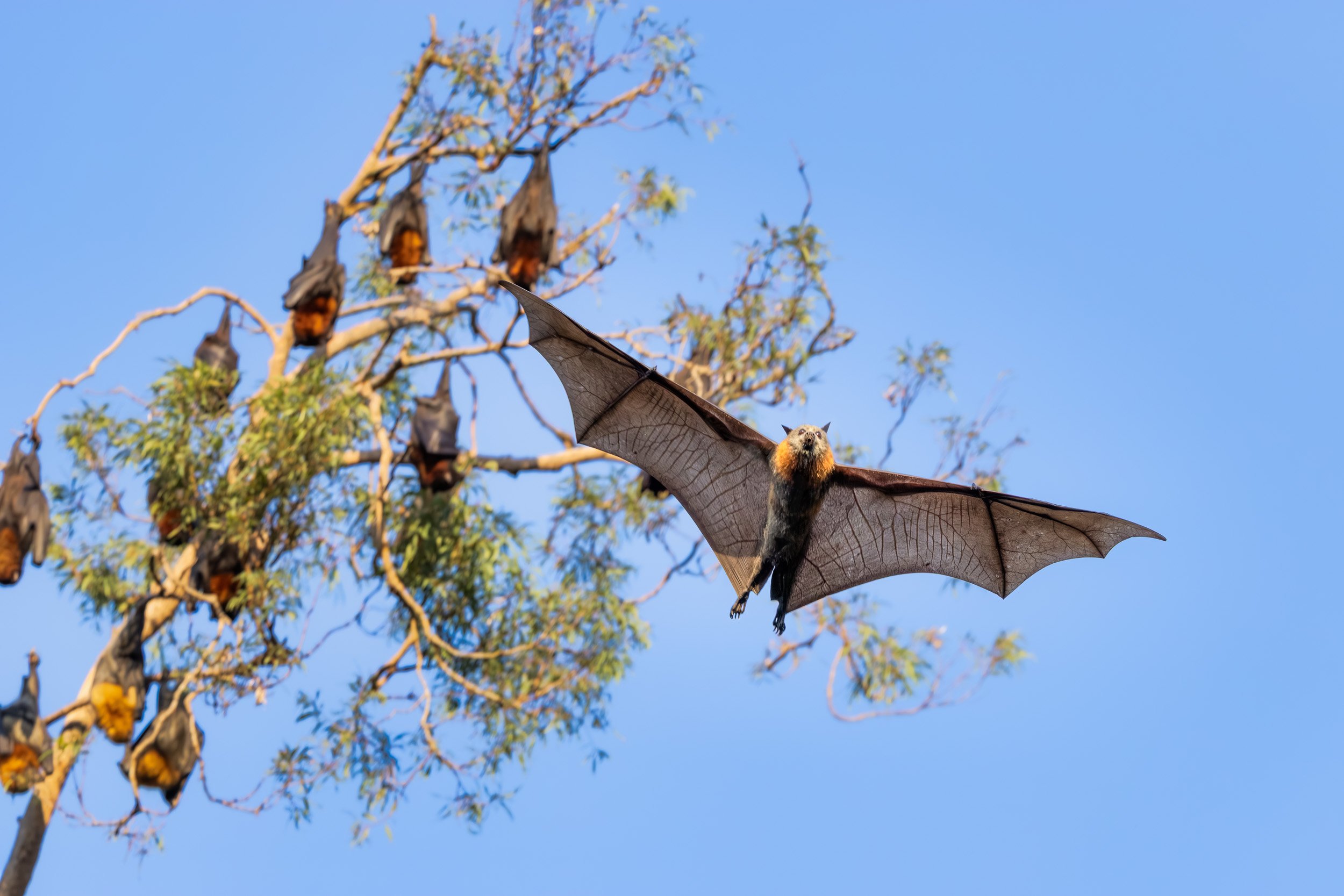
On this particular afternoon, the bats were becoming increasingly restless. Many of the females were pregnant, and the colony was alive with squawking, shuffling and fidgeting as the day began to cool. Some took briefly to the air, circling back moments later to settle among the branches.
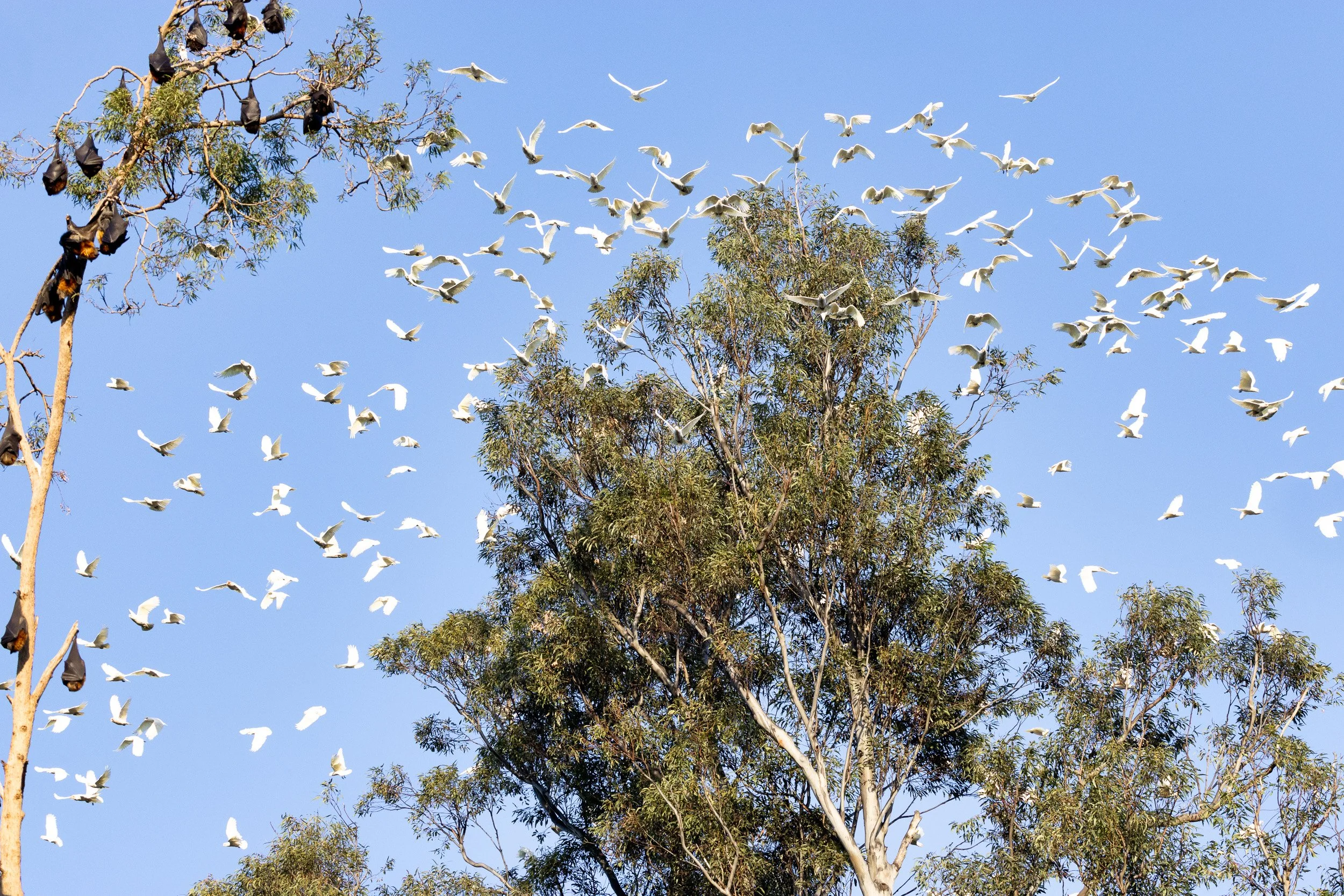
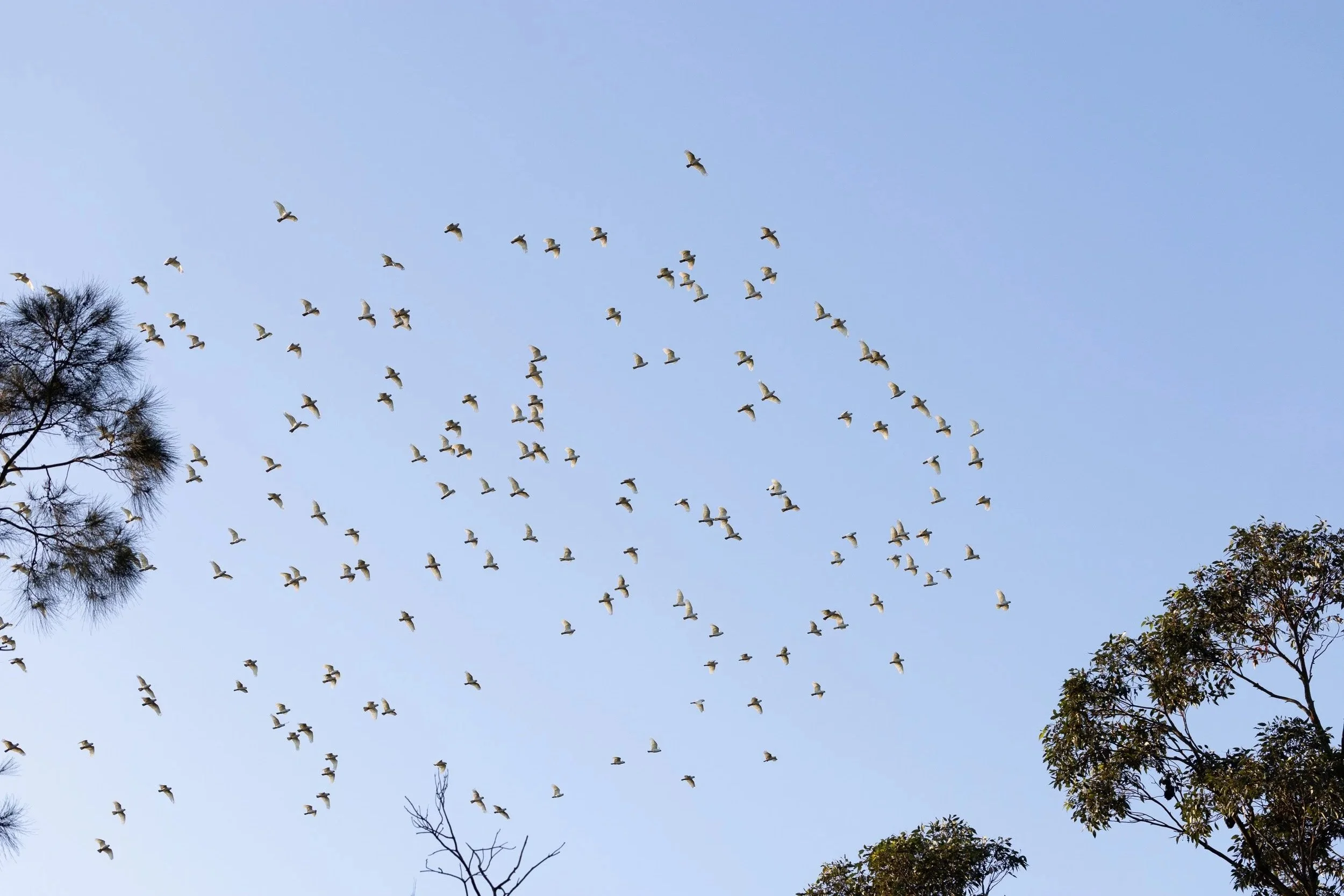
Nearby, the quiet was suddenly broken as large flocks of Sulphur-crested Cockatoos swept in, filling the air with their gorgeous, raucous calls before moving on just as quickly.
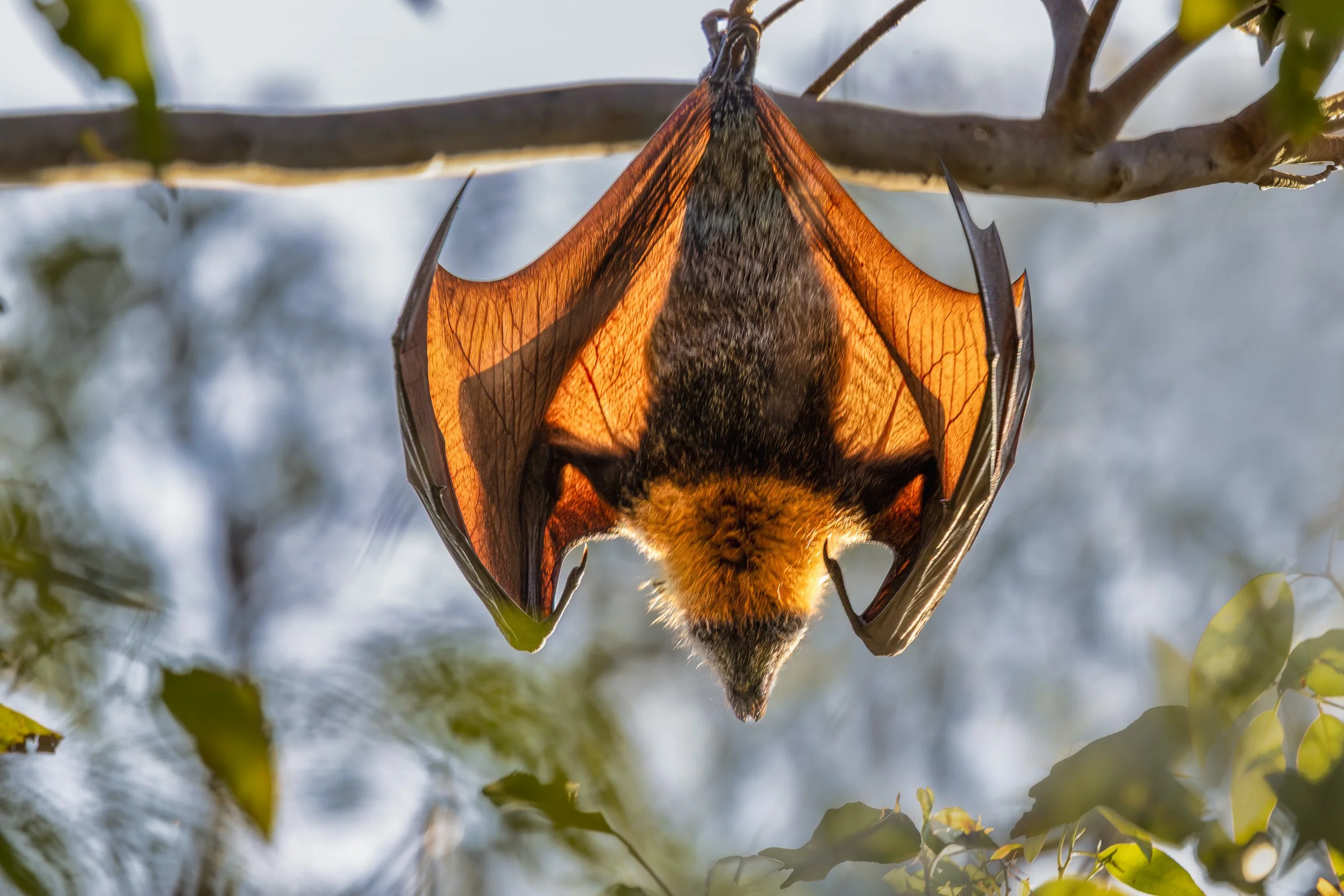
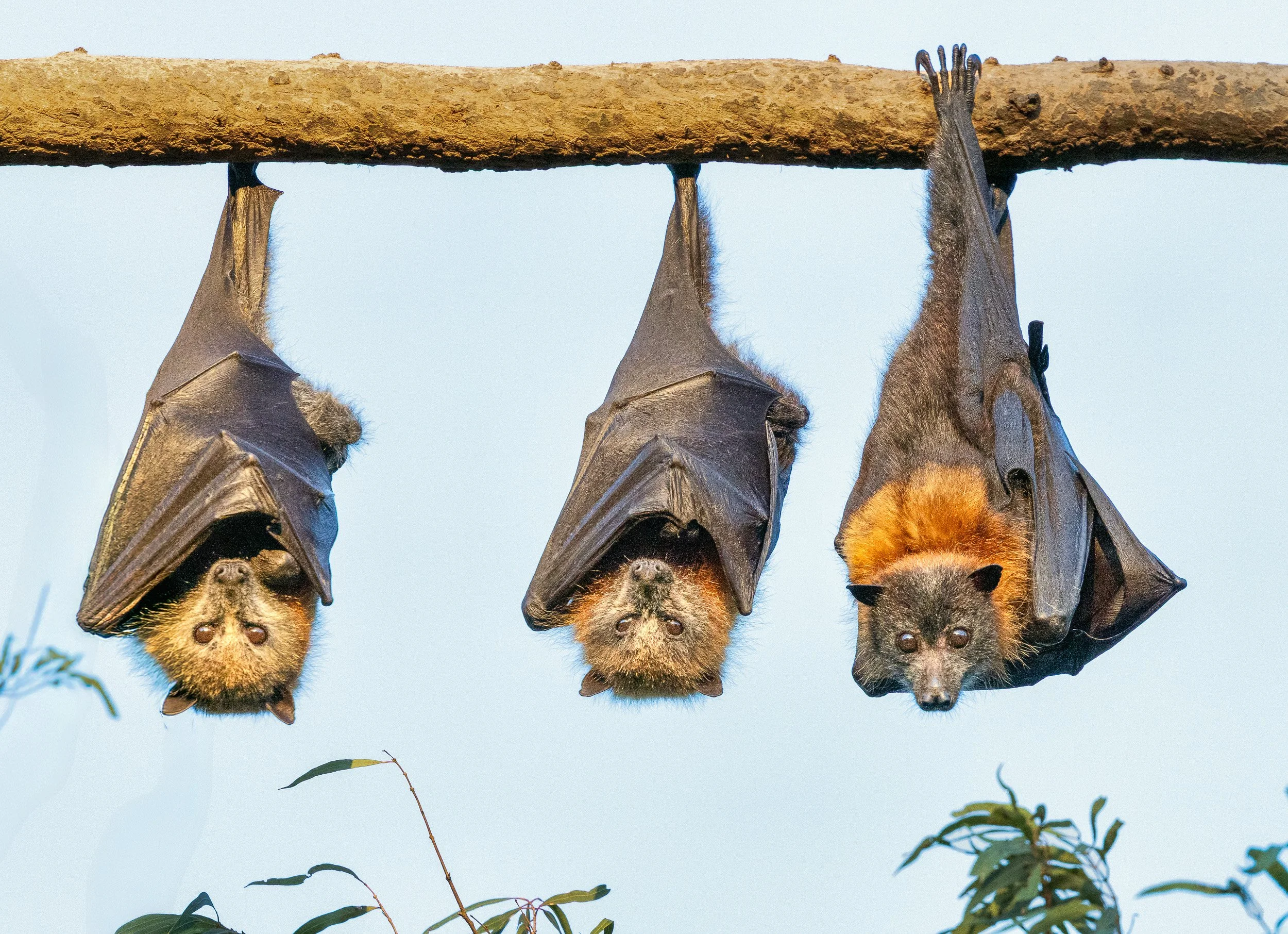
The bats, however, were unperturbed. Some remained tightly wrapped in their black wings like little blankets, while others began to unfurl, stretching their wings towards the warmth of the sun. One female opened her wings completely and, with the late-afternoon light shining through the delicate membrane, was exquisitely backlit.
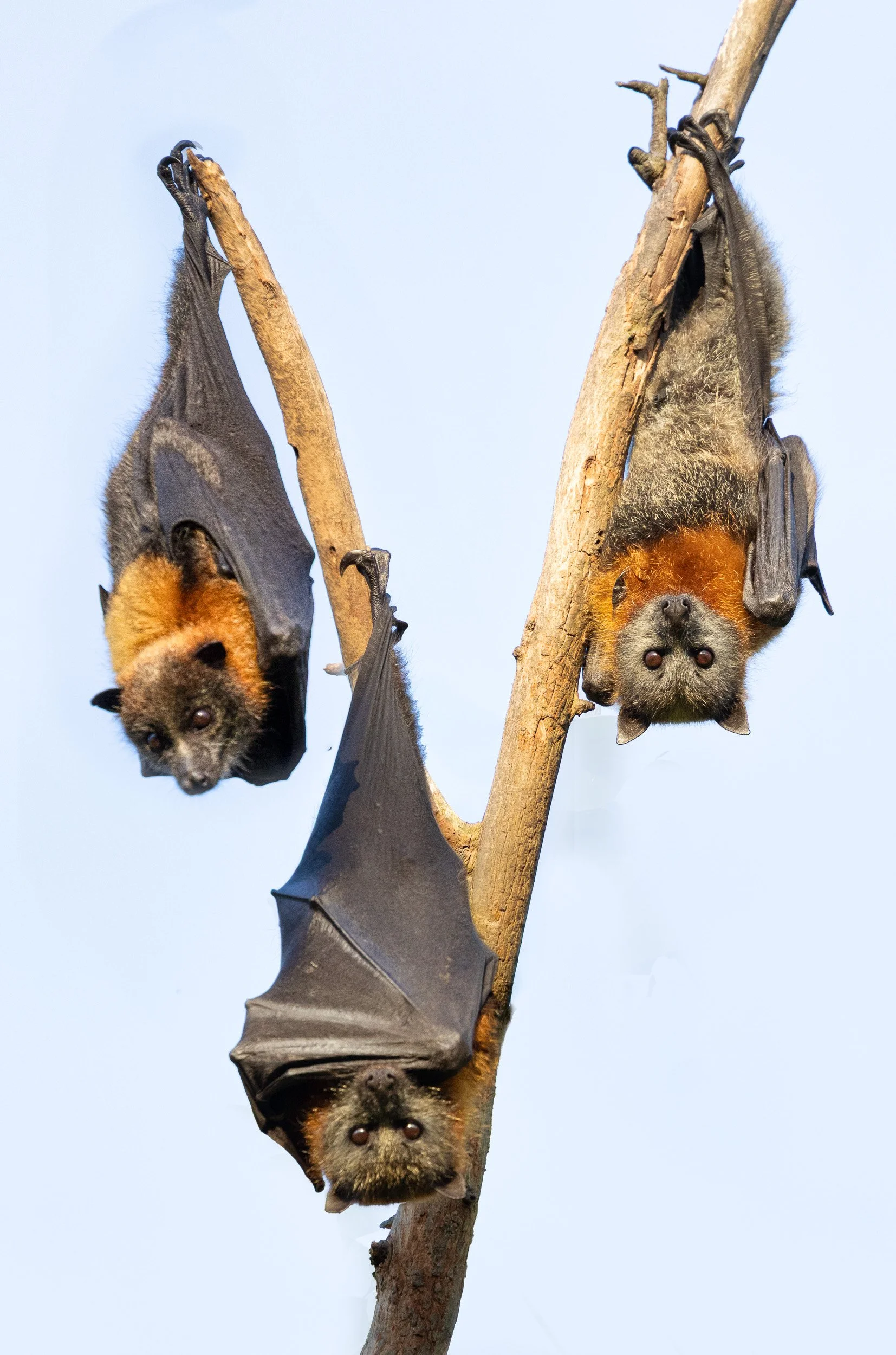
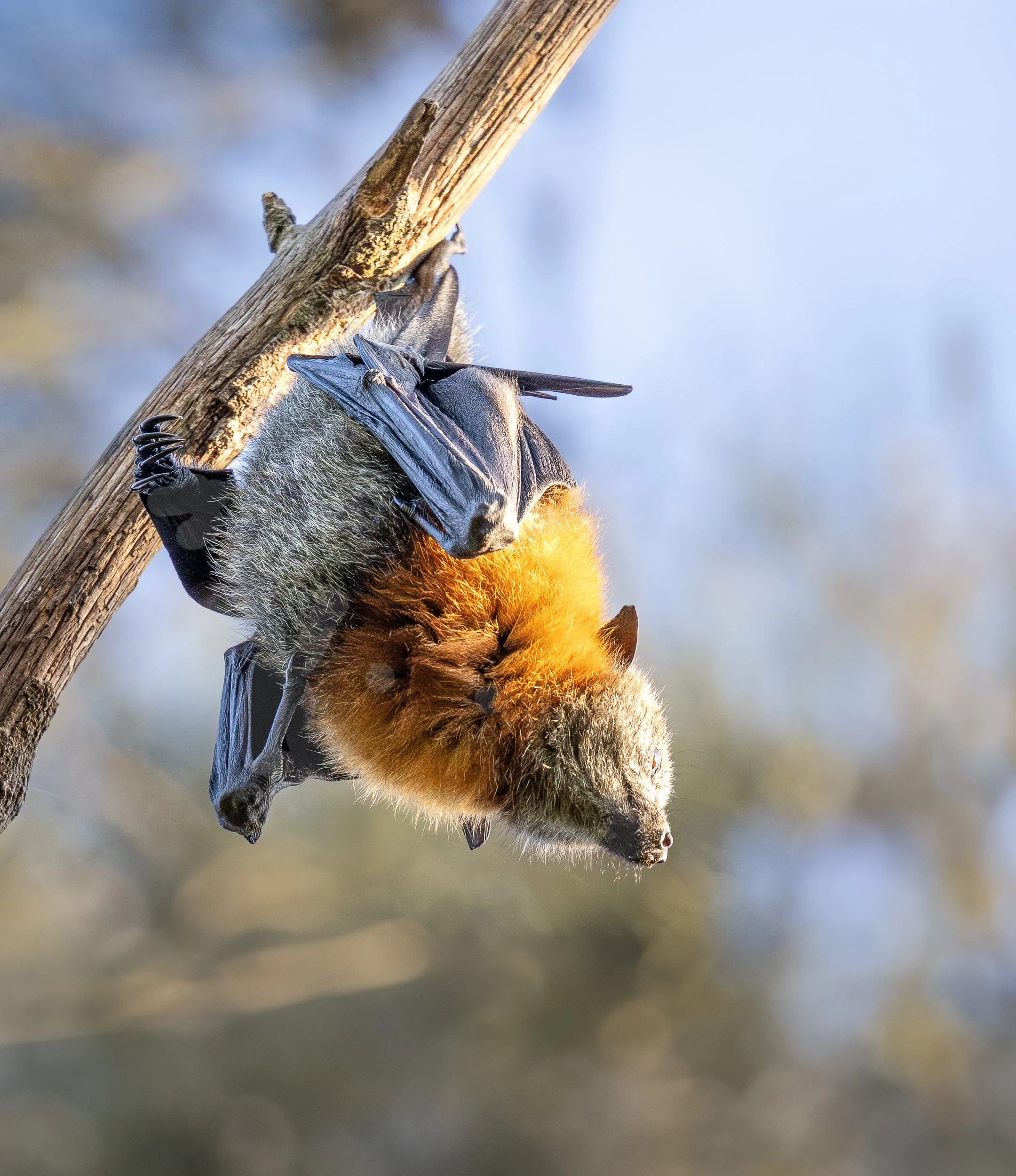
Another heavily pregnant mother stretched herself out in the sunshine, seemingly determined to make the most of its warmth.
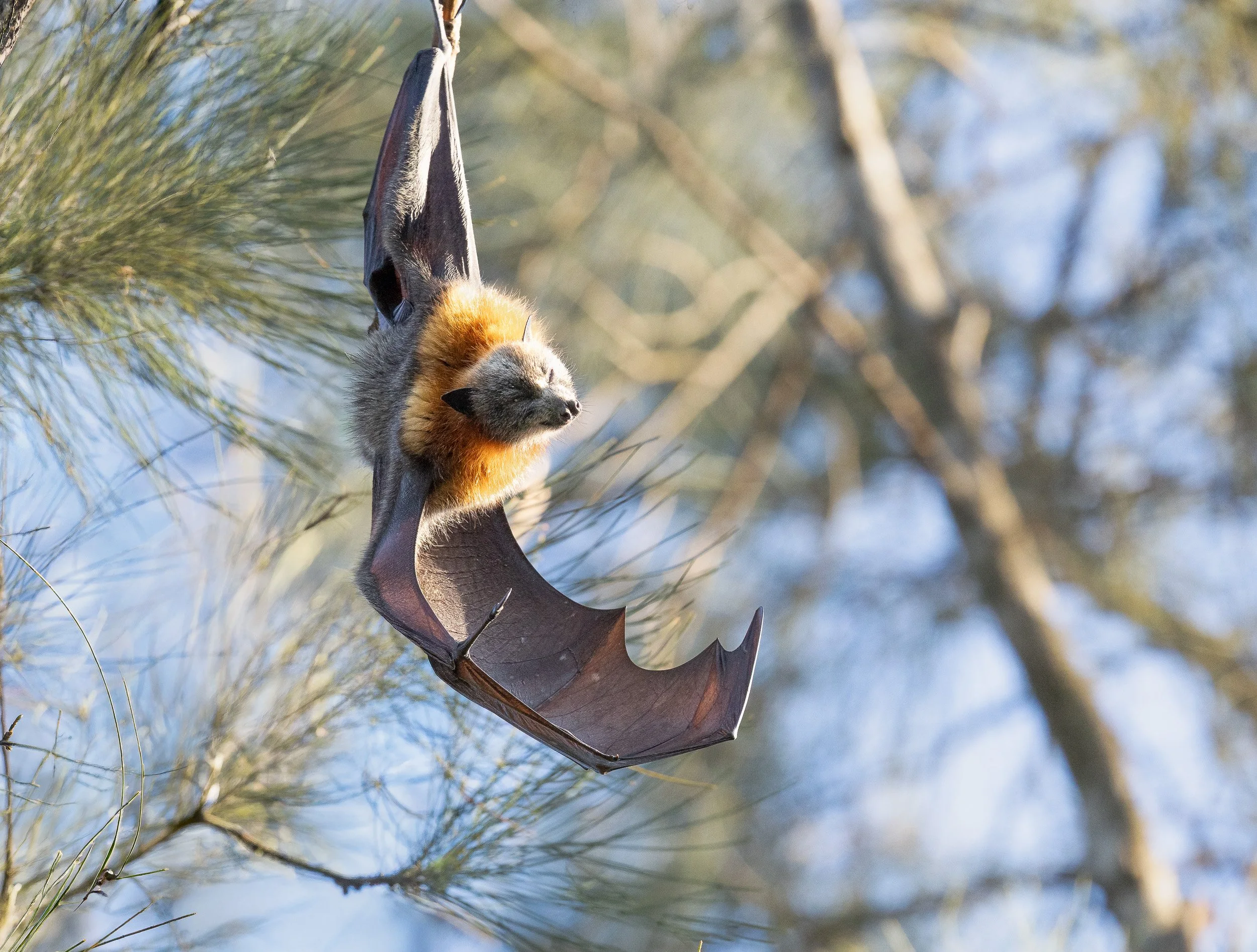
Nearby, one particularly relaxed fellow simply hung with his wings wide open, looking utterly chilled and content with life.
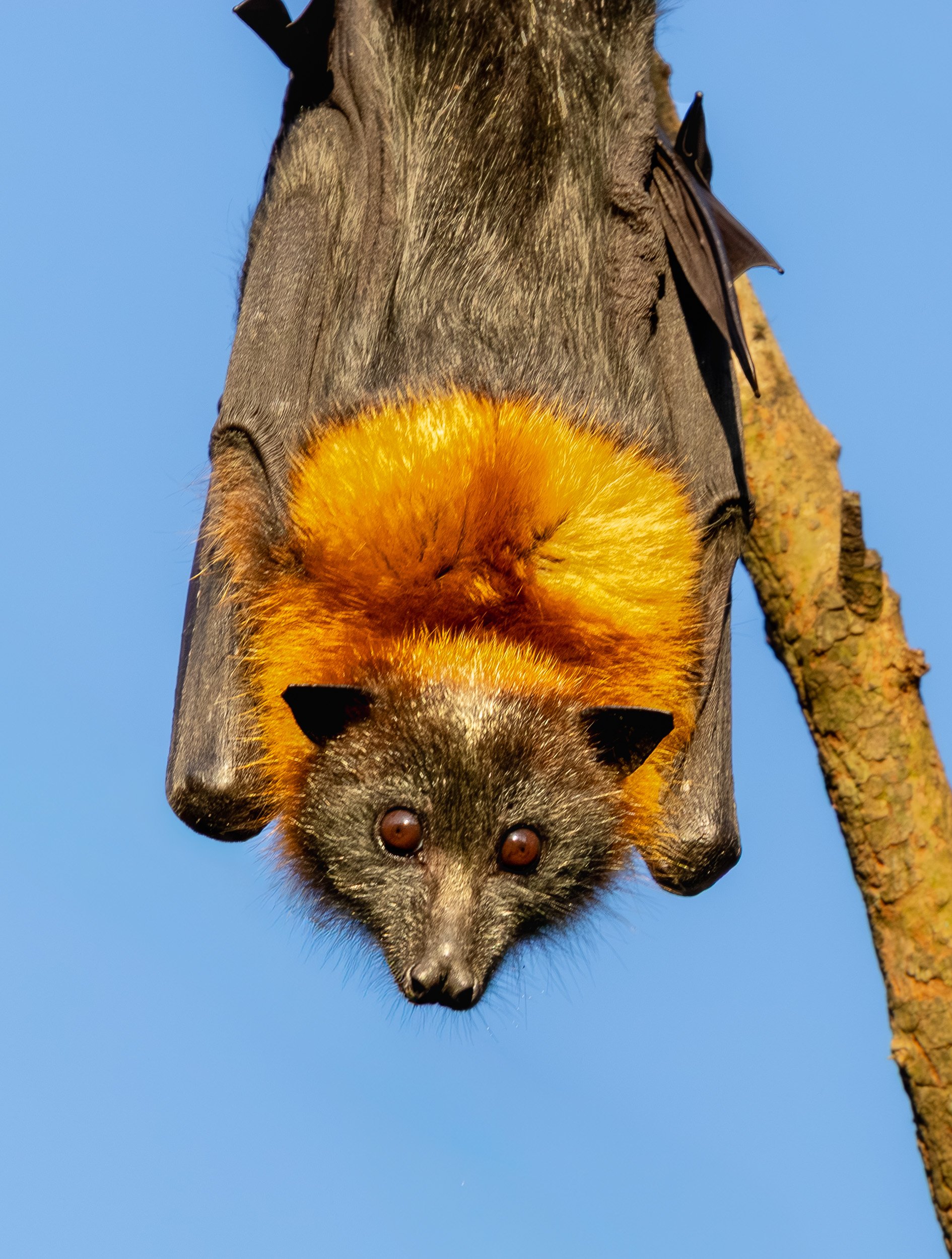
There is something wonderfully entertaining about an animal that chooses to spend much of its life upside down. Every so often I would discover a row of little faces peering back at me from their inverted positions, apparently studying me with as much curiosity as I was studying them.
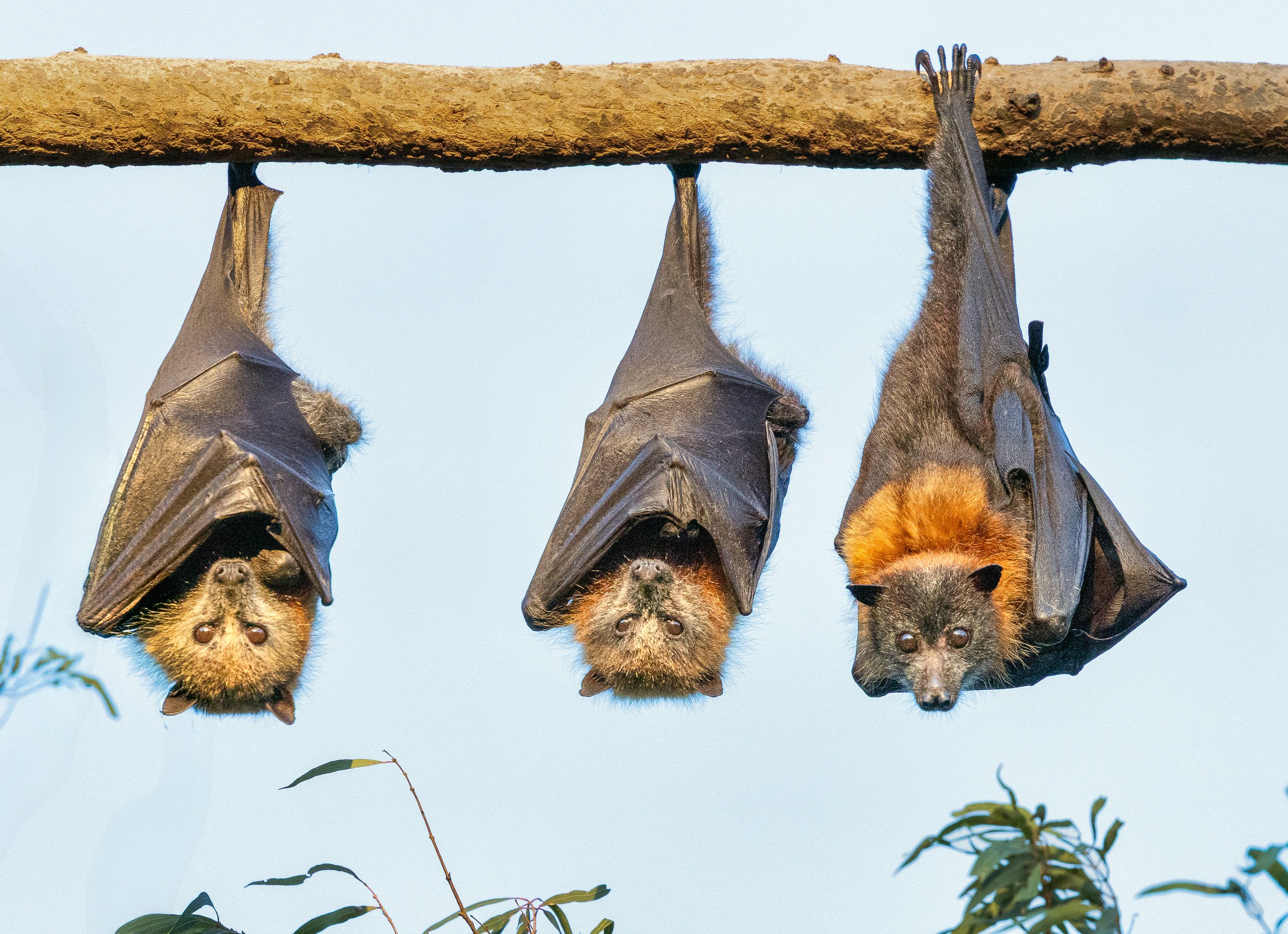
The catchlights in their enormous brown eyes gave their gentle, expressive faces an almost luminous quality.
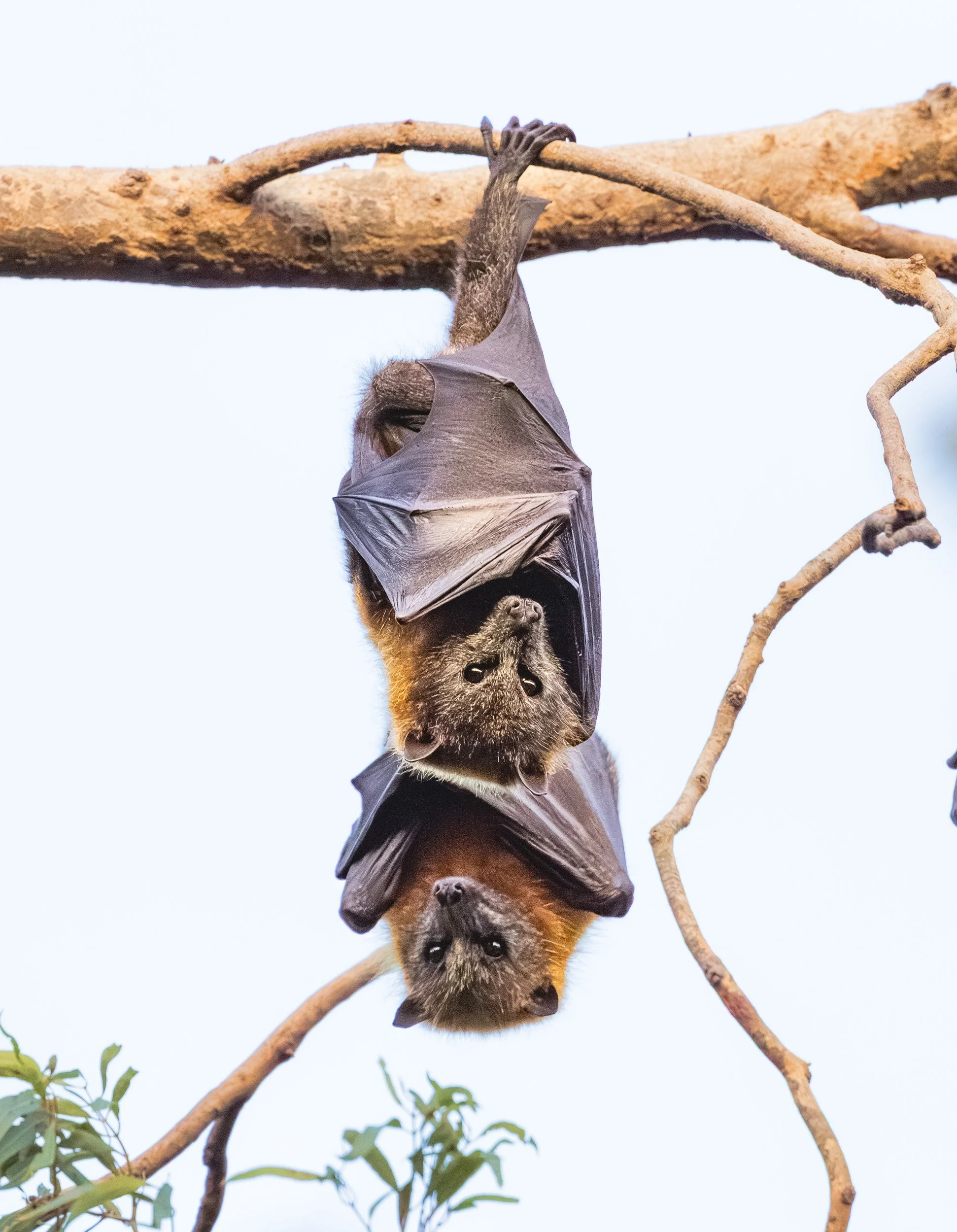
Look at this guy’s jaunty angle—isn’t he adorable?
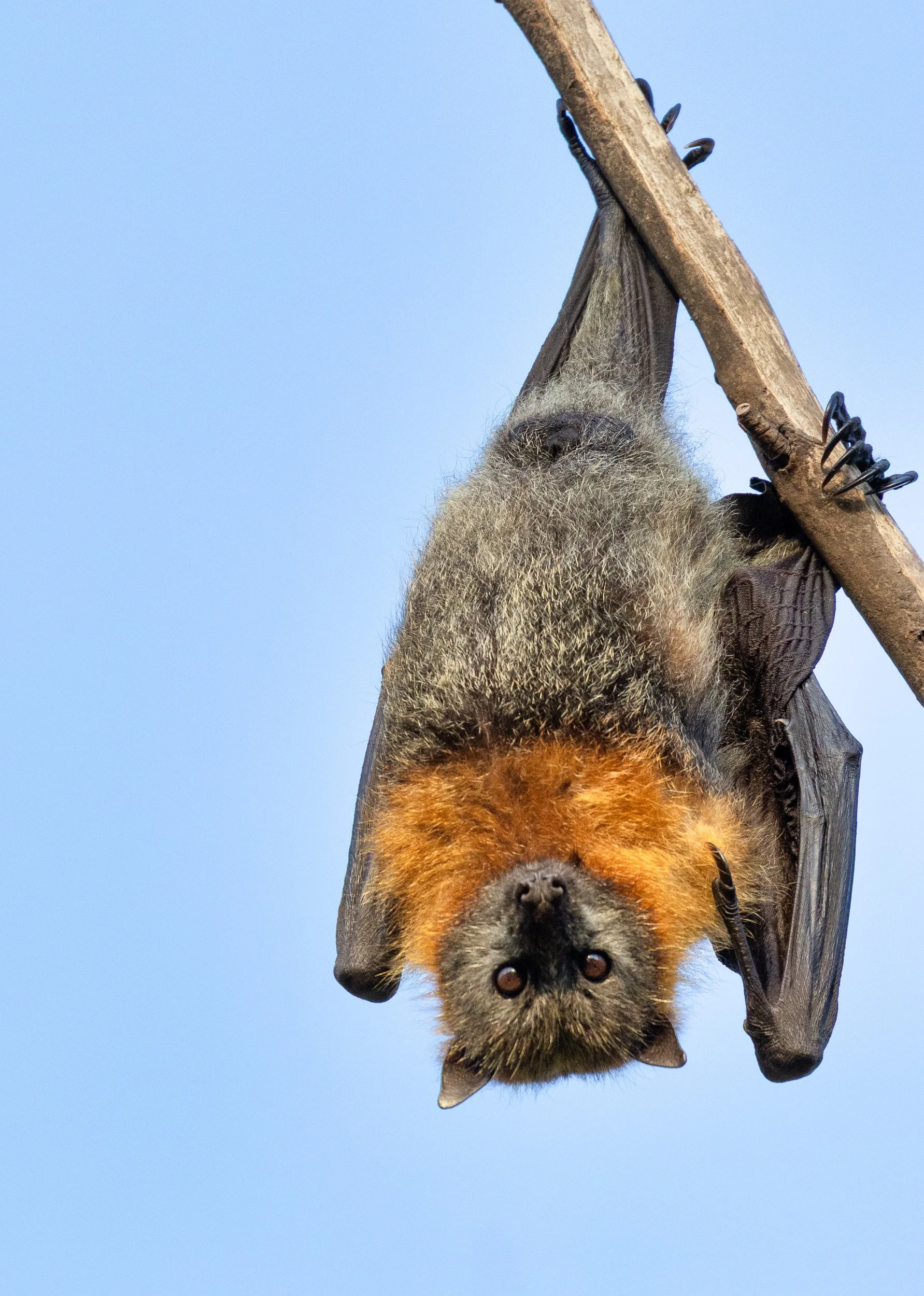
Females generally give birth to a single pup in spring, and I am planning to return during September and October in the hope of photographing mothers with their babies.
And then there is summer.
When Sydney’s heat begins to bear down, I hope to return to the bridge near the colony and photograph the flying-foxes sweeping towards the river, wings spread wide as they skim the surface for water. It will be another glimpse into just how closely their lives are tied to the trees, water and habitat around them.
A Habitat Worth Protecting
As I stood beneath those trees, surrounded by flying-foxes, cockatoos and the sounds of the colony, I found myself thinking about far more than photographs. How fortunate we are in Australia to have such extraordinary wildlife living alongside us—and how incredibly precious the remaining habitat that supports it has become.
Parramatta’s environment has been profoundly altered over the past half-century by industrial pollution, land reclamation, clearing and, more recently, increasingly dense urban development. Although considerable work has gone into restoring waterways and regenerating native vegetation, the pressures have not disappeared—they have simply changed. Tree removal, urban heat, transport infrastructure and the continuing fragmentation of wildlife corridors are still reshaping the landscape today.
The Grey-headed Flying-fox colony is a powerful reminder of what remains. At its summer peak, thousands of bats can depend upon a remarkably small area of habitat, with a single mature eucalypt capable of supporting dozens, sometimes hundreds, of animals. Their location beside the river also reinforces just how vital mature trees, connected green spaces and clean waterways are to their survival.
Flying-foxes are not simply inhabitants of these forests. As highly mobile pollinators and seed dispersers, they help connect and regenerate native vegetation across large distances. Protecting them therefore means protecting far more than one species.
What Flying-Foxes Need
Keeping these animals safe means protecting not only the trees in which they roost, but the wider landscape they depend upon for food, water and movement. Mature flowering eucalypts and other native food trees need to be retained and replanted, wildlife corridors must remain connected, and waterways and surrounding vegetation need to be protected from pollution and unnecessary clearing.
Their camps also need to remain as undisturbed as possible, particularly during breeding periods and extreme heat, when shade, vegetation and access to water can become critical to survival.
What We Can Do
There are also practical ways we can reduce preventable harm. Planting appropriate native food trees, protecting mature canopy, maintaining connected habitat and caring for waterways all make a difference. Wildlife-safe netting can prevent entanglement, unnecessary barbed wire can be removed or replaced, and urban development can be planned with wildlife movement and habitat retention in mind.
We have made progress, but restoration cannot simply be expected to compensate for continual loss. We need to recognise the value of these places while we still have them.
