From Real to Surreal
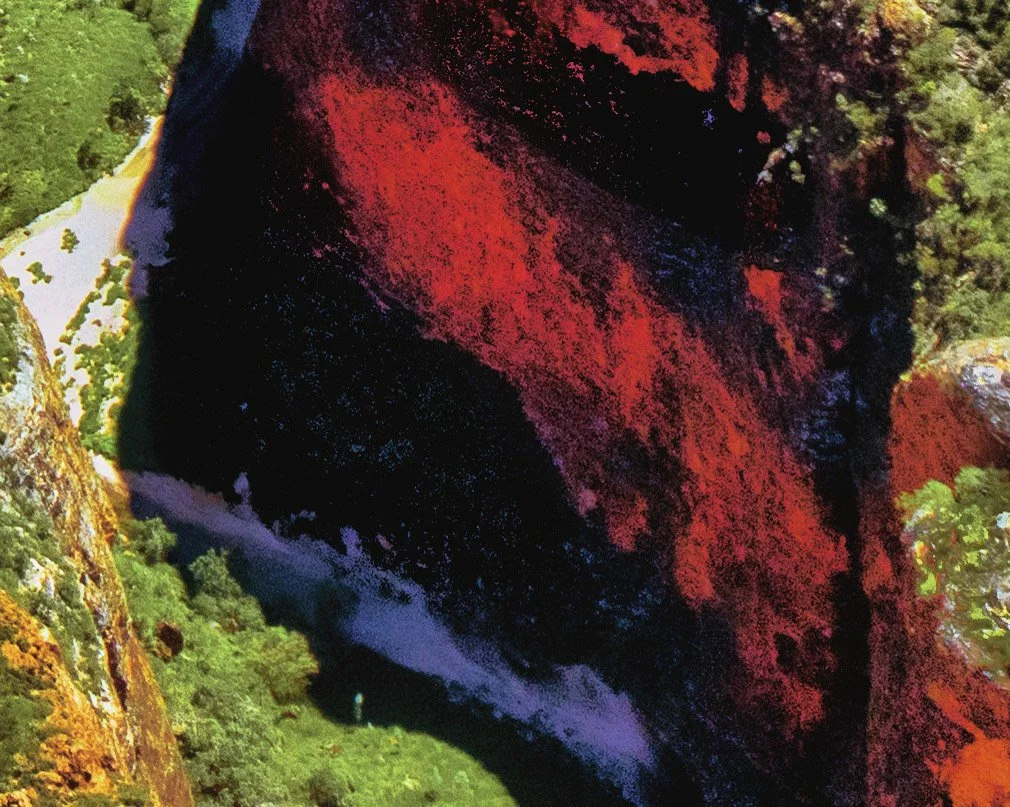
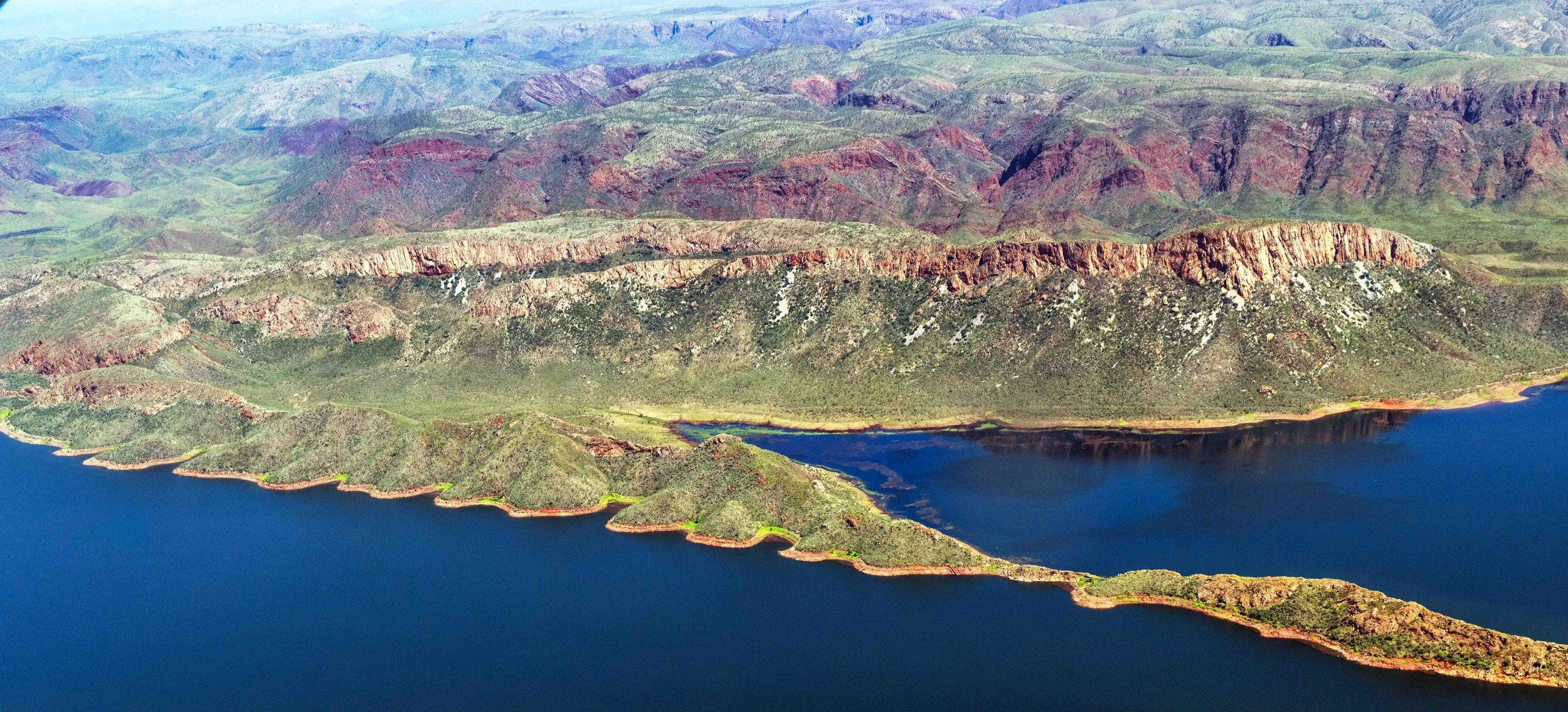
Part 1 - Abstract Aerial Landscapes Above the Bungle Bungles and Lake Argyle
Some photographs are planned carefully and captured exactly as imagined.
These were not.
These images began in a tiny eight-seater aircraft flying high above the Kimberley region of Western Australia — over the extraordinary landscapes of the Bungle Bungles and Lake Argyle. The flight itself was challenging. I suffered horrendous motion sickness throughout much of it, especially over the Bungle Bungles. Photographing felt a little like trying to read in the back seat of a car while feeling desperately unwell.
The conditions were far from ideal. I was shooting through aircraft windows, often with the wing strut intruding into the frame, and from a considerable height above the landscape. The raw files that emerged from the camera initially looked flat, muted and underwhelming. The colours lacked vibrance, the contrast felt dull and the images seemed to have lost the magic of what I had seen below.
Yet hidden within those files was enormous potential.
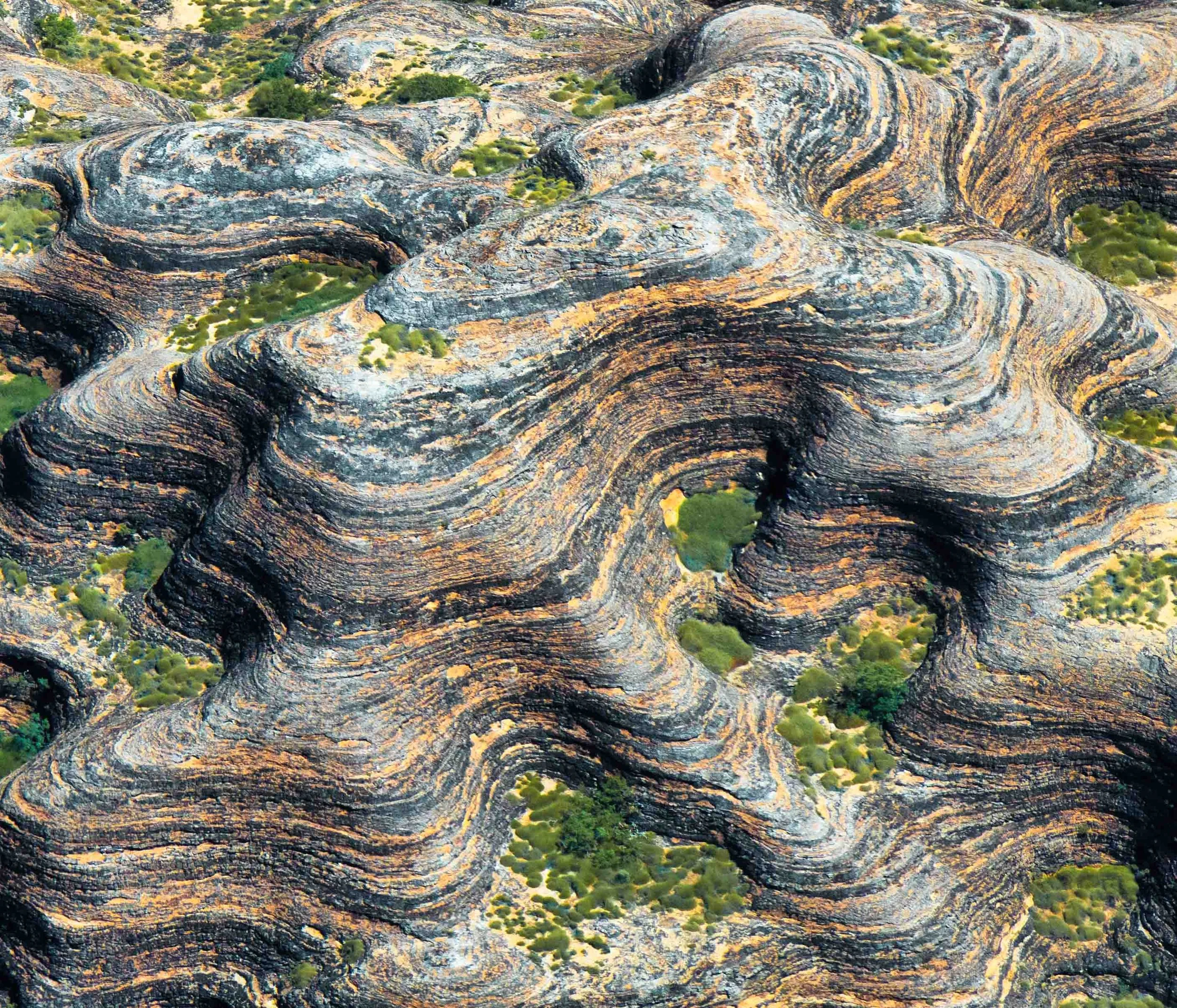
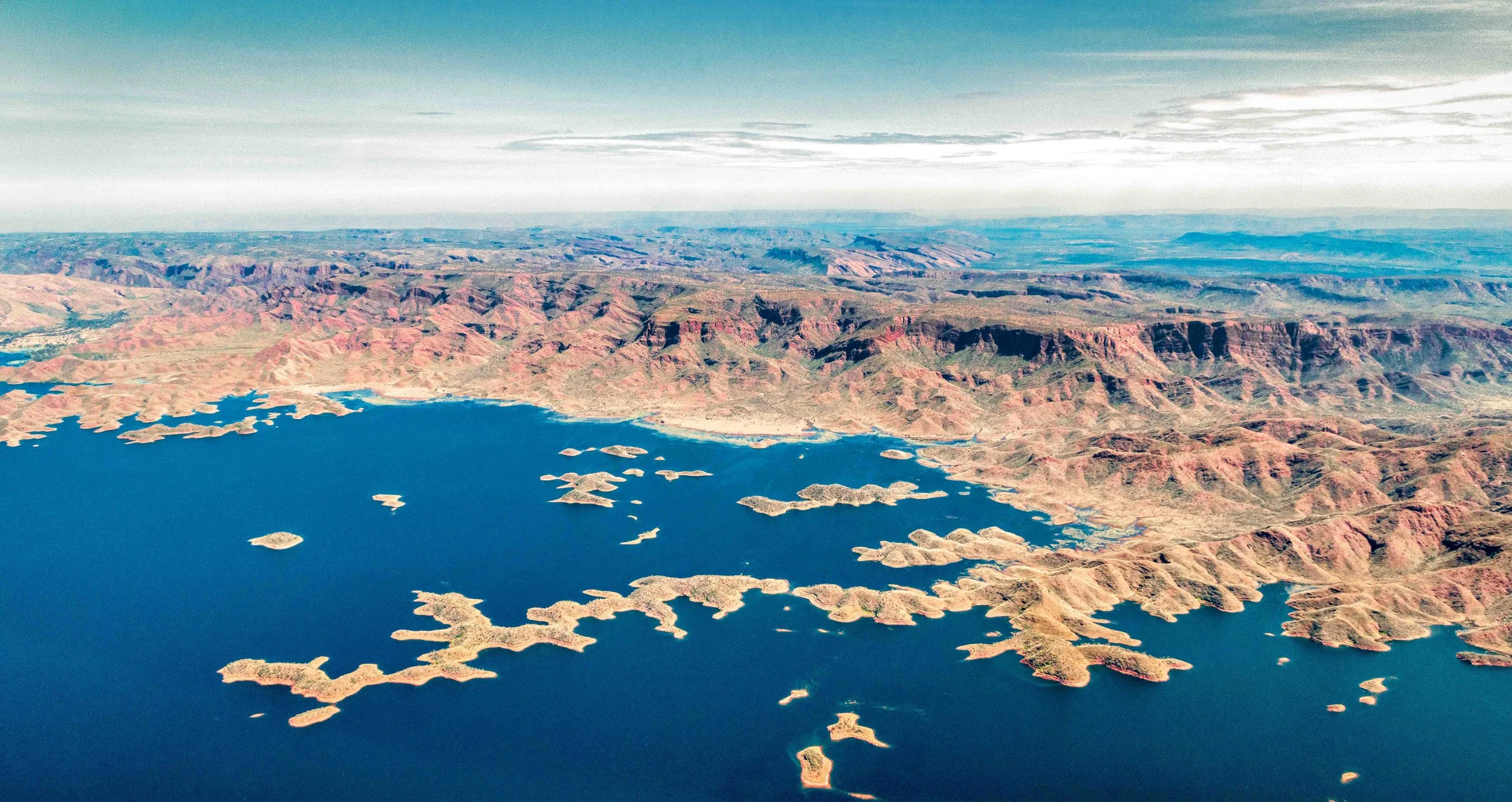
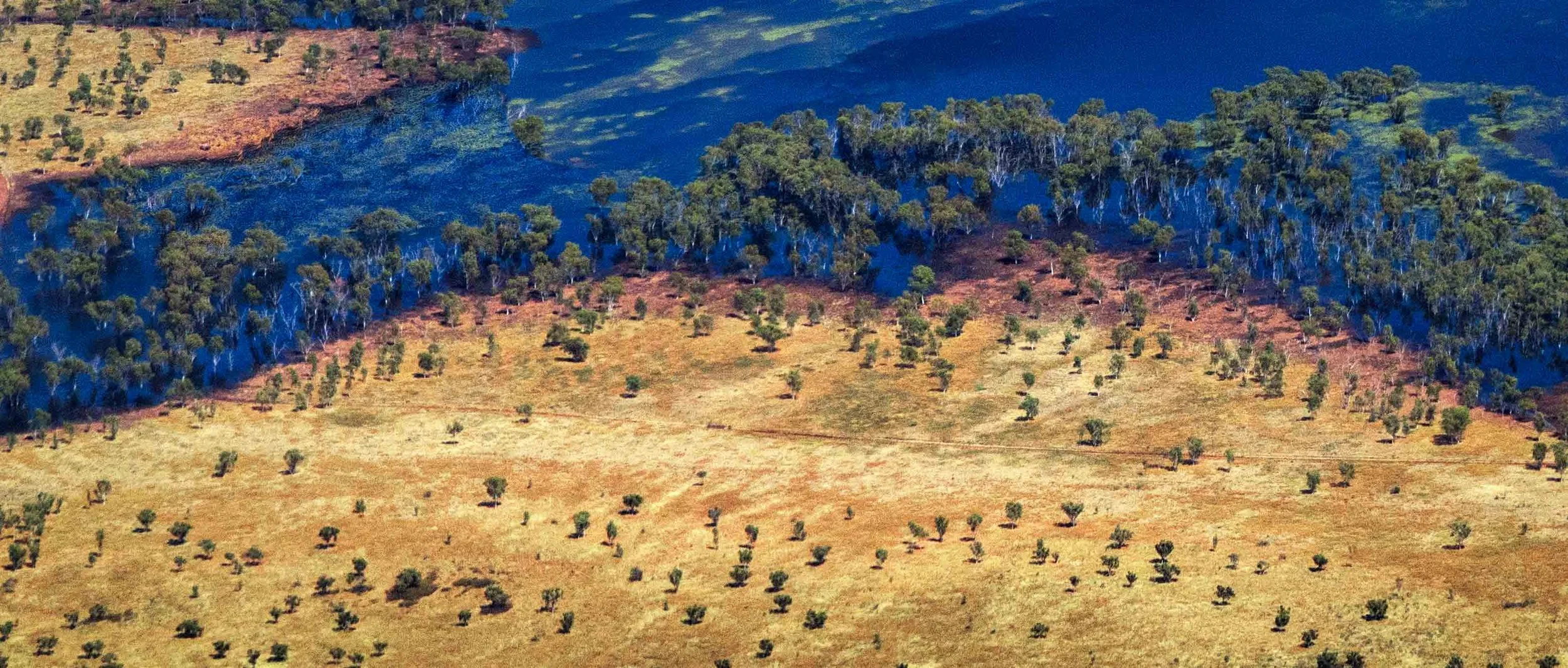
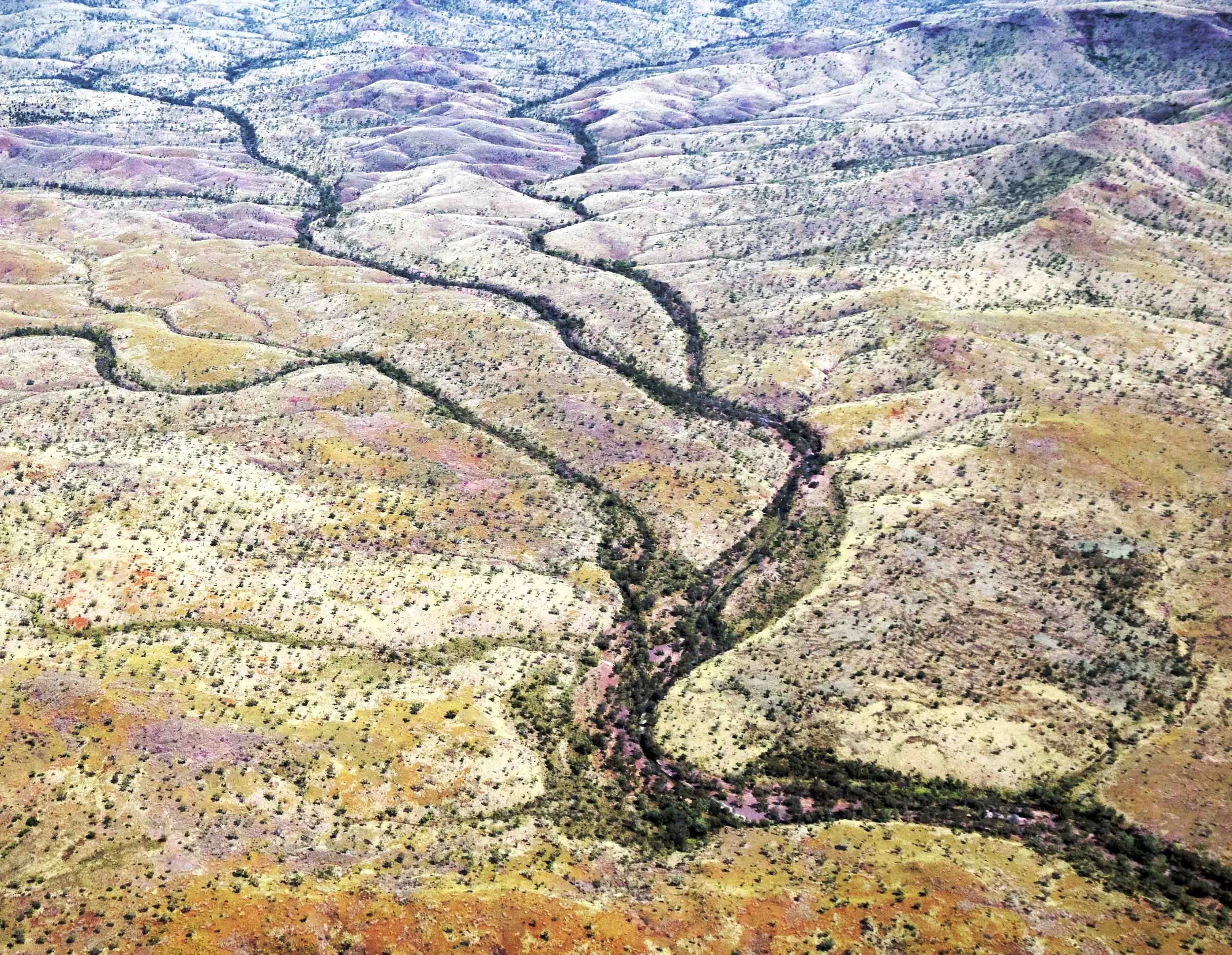
The Bungle Bungles themselves were extraordinary from the air. Their striking striped red and black domes formed a maze of swirls, curves and flowing organic shapes. Lake Argyle was completely different — an immense expanse of beautiful blue water scattered with the most exquisite finger-like islands throughout its archipelago. Elsewhere the landscape revealed winding river pathways, deep cracks etched into the earth, and sculpted canyon systems carving through the terrain.
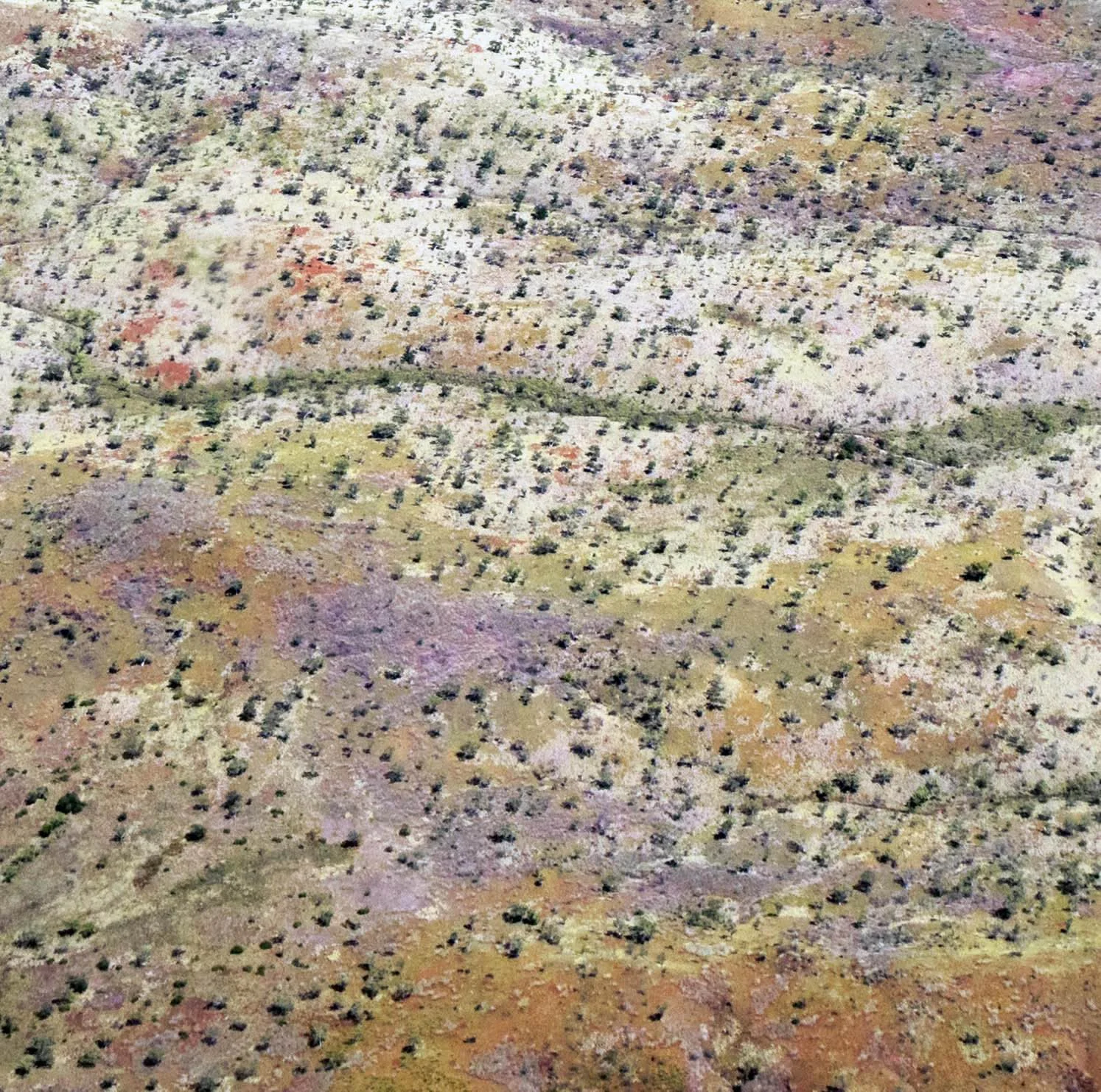
I became fascinated not with documenting the landscape literally, but with abstracting it.
Quite some time ago, after watching a tutorial by Unmesh Dinda, I created a simple Photoshop action using Auto Curves as a quick way to give images a lift. I have used that action for years, but never before had it produced such dramatic results. These dull aerial files suddenly burst to life with colour, contrast and vibrance. It was incredible to watch.
I have also long admired the abstract aerial work of Peter Eastway over Broome and Derby, and this trip inspired me to explore some of those ideas in the landscapes slightly further east.
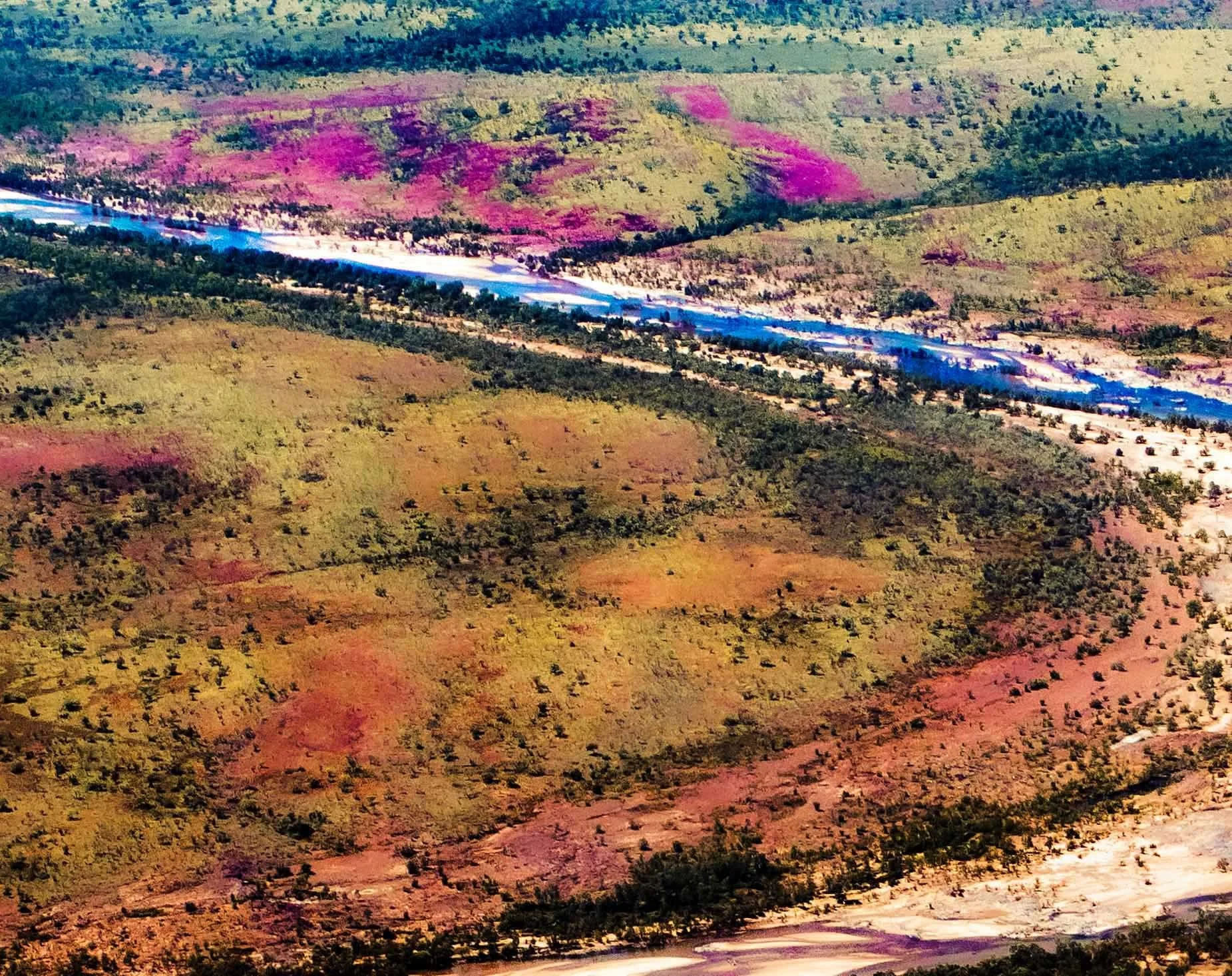
My process gradually evolved into several stages.
First, I identified photographs containing strong underlying shapes, textures and colour relationships. Then I cropped tightly, simplifying the compositions and reducing visual clutter to emphasise form and palette.
The abstraction process itself was layered and iterative. I often began in Lightroom with nothing more than a basic automatic correction. From there the files went into Photoshop where I applied my Auto Curves action to inject life and energy back into the image.
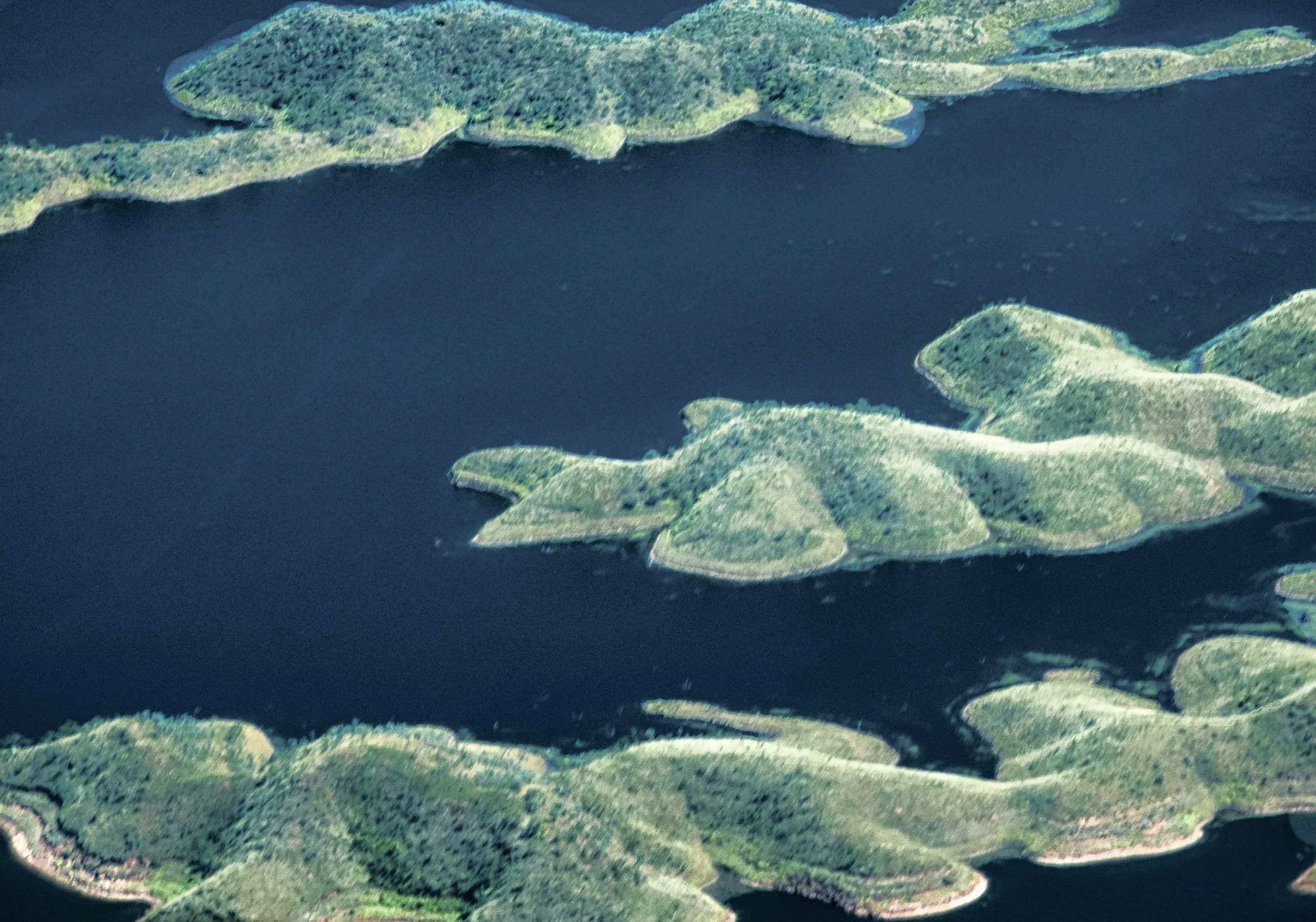
Next, I moved into Luminar Neo for selective AI enhancements, experimenting with presets and sometimes introducing LUTs to help unify the palette and atmosphere of the piece.
Finally, the images returned to Lightroom, where most of the sculpting took place. This became the most creative part of the workflow. I spent significant time shaping light and colour using radial masks, linear gradients, dodging and burning, and localised adjustments to clarity, texture and dehaze. These tools allowed me to guide the eye through the frame and create depth, movement and emotion within the abstractions. In many cases I cropped the images even further during this stage as the final composition revealed itself.
I am especially drawn to strong colour and to the idea of creating highly coloured abstract art based on real landscapes and natural forms. There is something deeply satisfying about transforming biological and geological reality into images that feel almost painterly or surreal while still remaining grounded in the natural world.
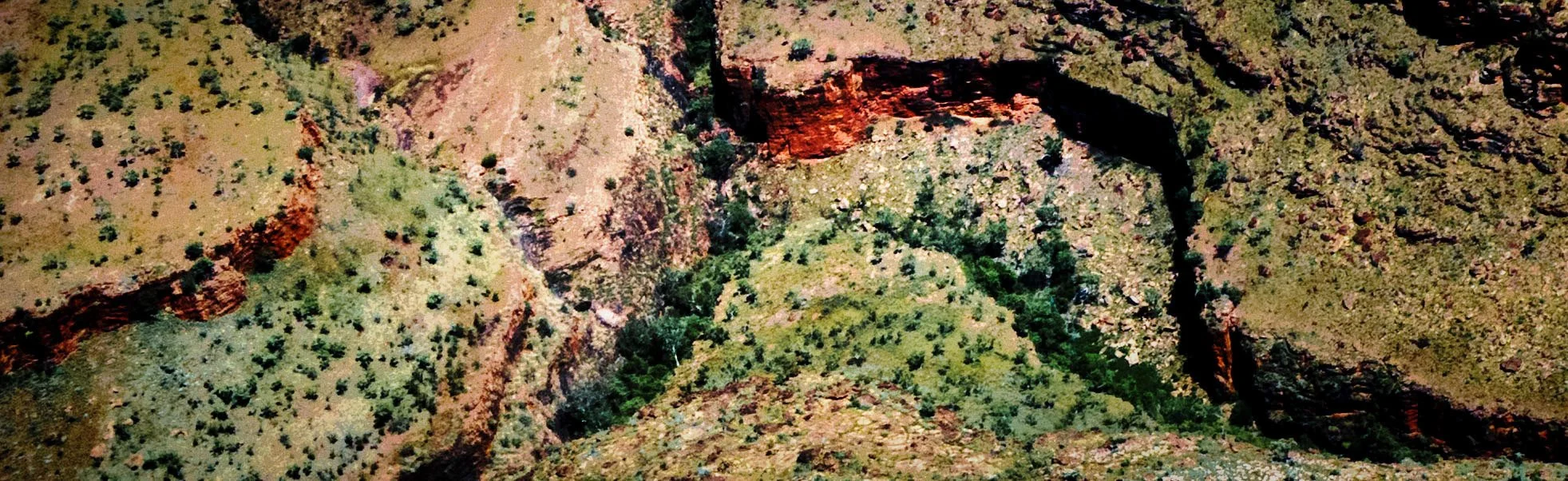
This is a direction I want to explore much further.
Next year I will be undertaking an aerial safari over the Broome and Derby section of the Kimberley coast in open-door helicopters. I am incredibly excited by the possibilities this will offer — particularly the chance to photograph intricate tidal systems, winding water tributaries and the extraordinary abstract patterns that emerge where water and land collide.
For me, these images are no longer simply aerial photographs.
They are interpretations of landscape — a journey from real to surreal.
An Ongoing Creative Journey
As I now have a growing collection of aerial landscapes that I have stylised or transformed into abstract interpretations, this section of my website has become far too large for a single post. I have therefore decided to break the work into a series of smaller posts.
Part of the reason for doing this is that I am still learning, experimenting and evolving creatively. My approach to aerial abstraction is constantly changing as I explore new ways of working with colour, light, texture, form and composition.
These posts have therefore become more than simply a gallery of finished images. They are also a record of my creative process — a visual diary documenting how my ideas, techniques and artistic direction are developing over time.
Looking back through the series, I can already see changes in the way I crop, sculpt light, simplify shapes and use colour to push images further away from straightforward documentation and towards abstraction and interpretation.
For me, that evolution is one of the most exciting parts of the journey.